Cambridge delivered. Again.
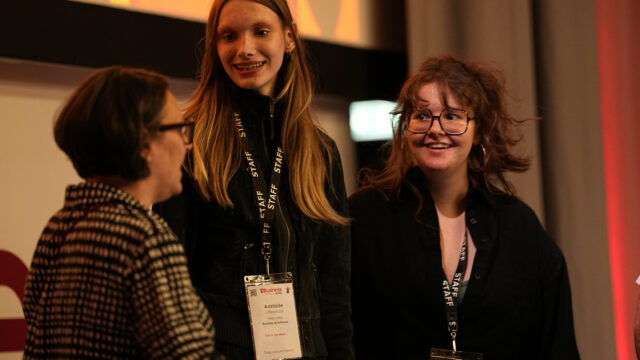
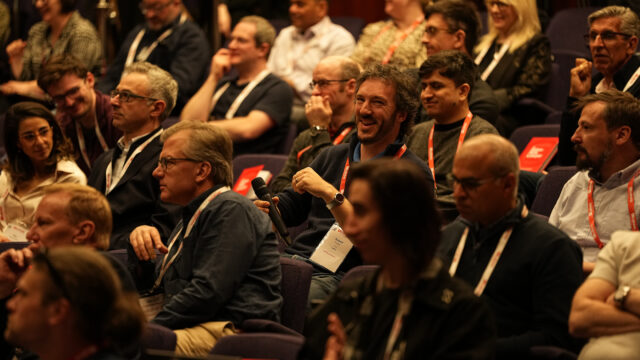
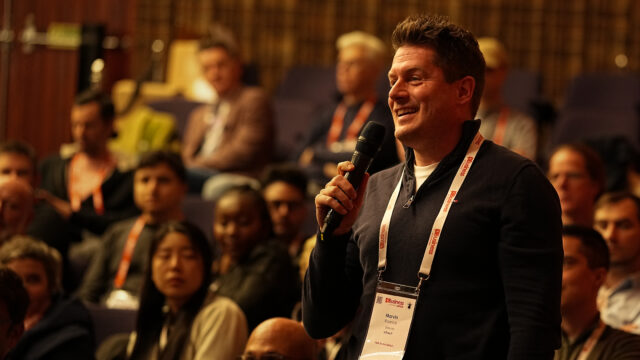
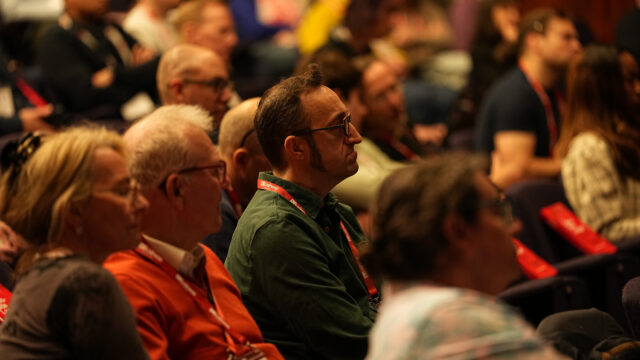
This week, founders, CEOs, and product builders from across the globe made their way to Cambridge, UK for BoS Europe 2026. Two days of honest talks, unhurried conversations, and the kind of community that makes you realise you’re not figuring this out alone.
Sunday — Before it all began
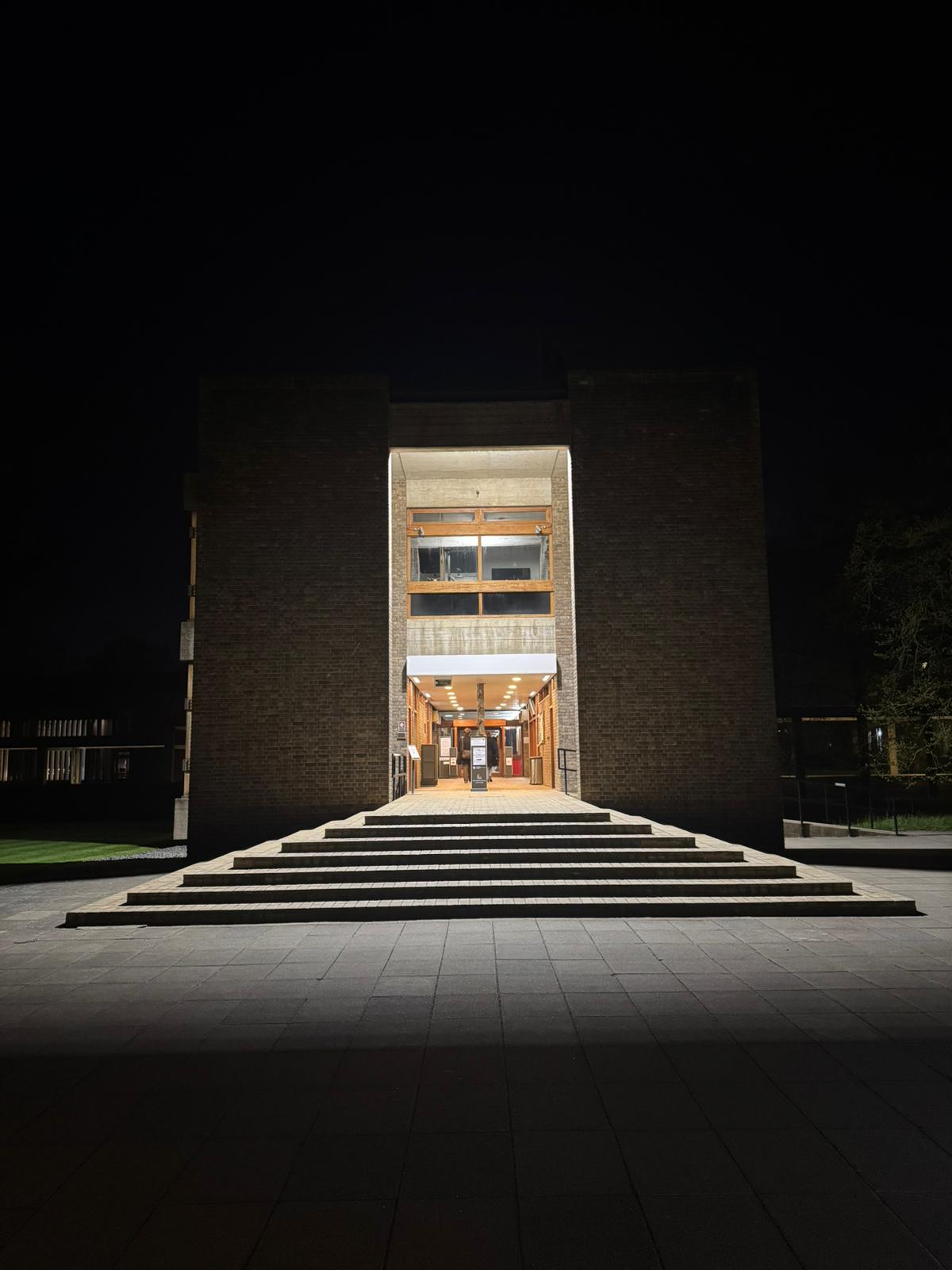
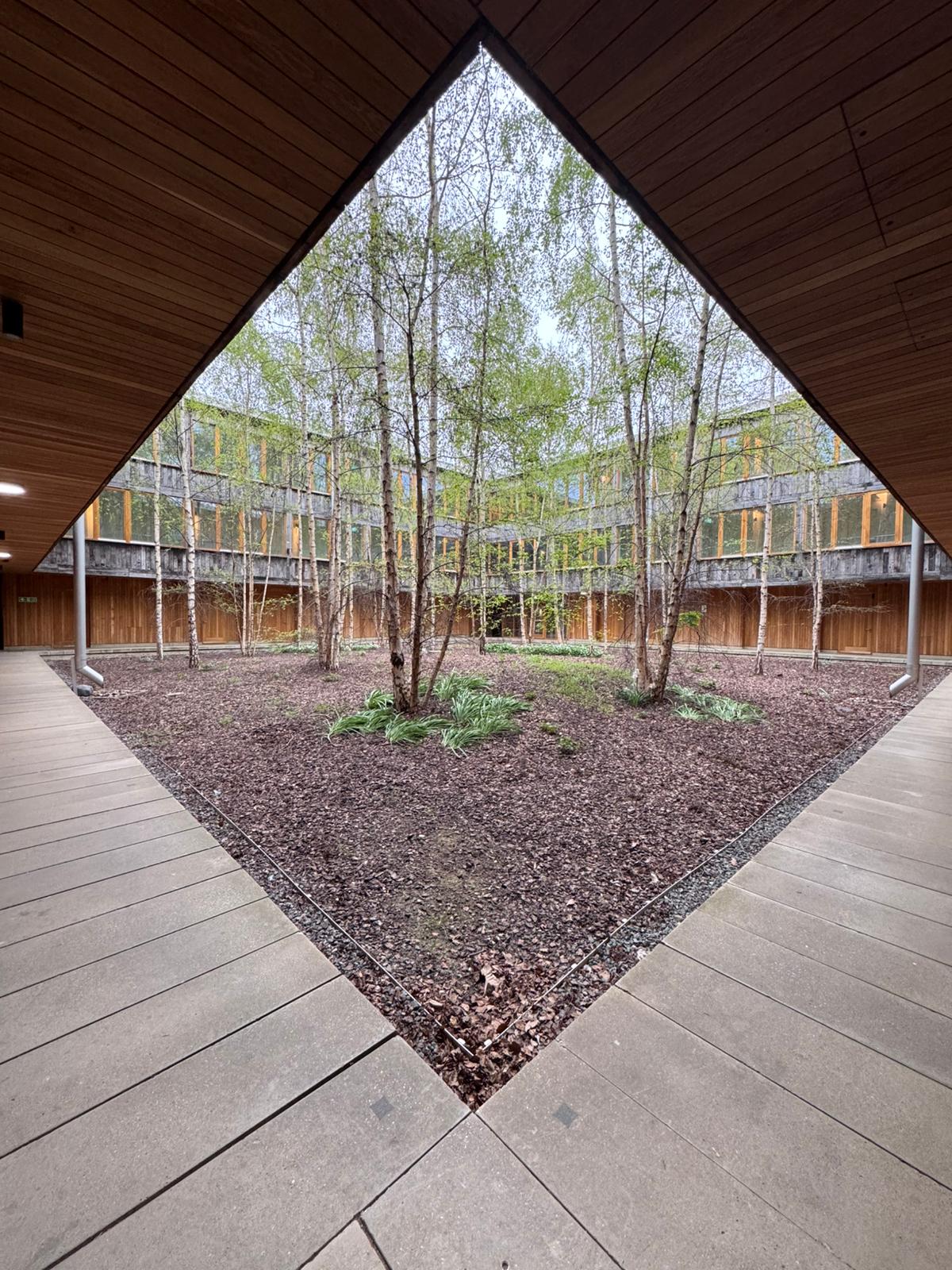
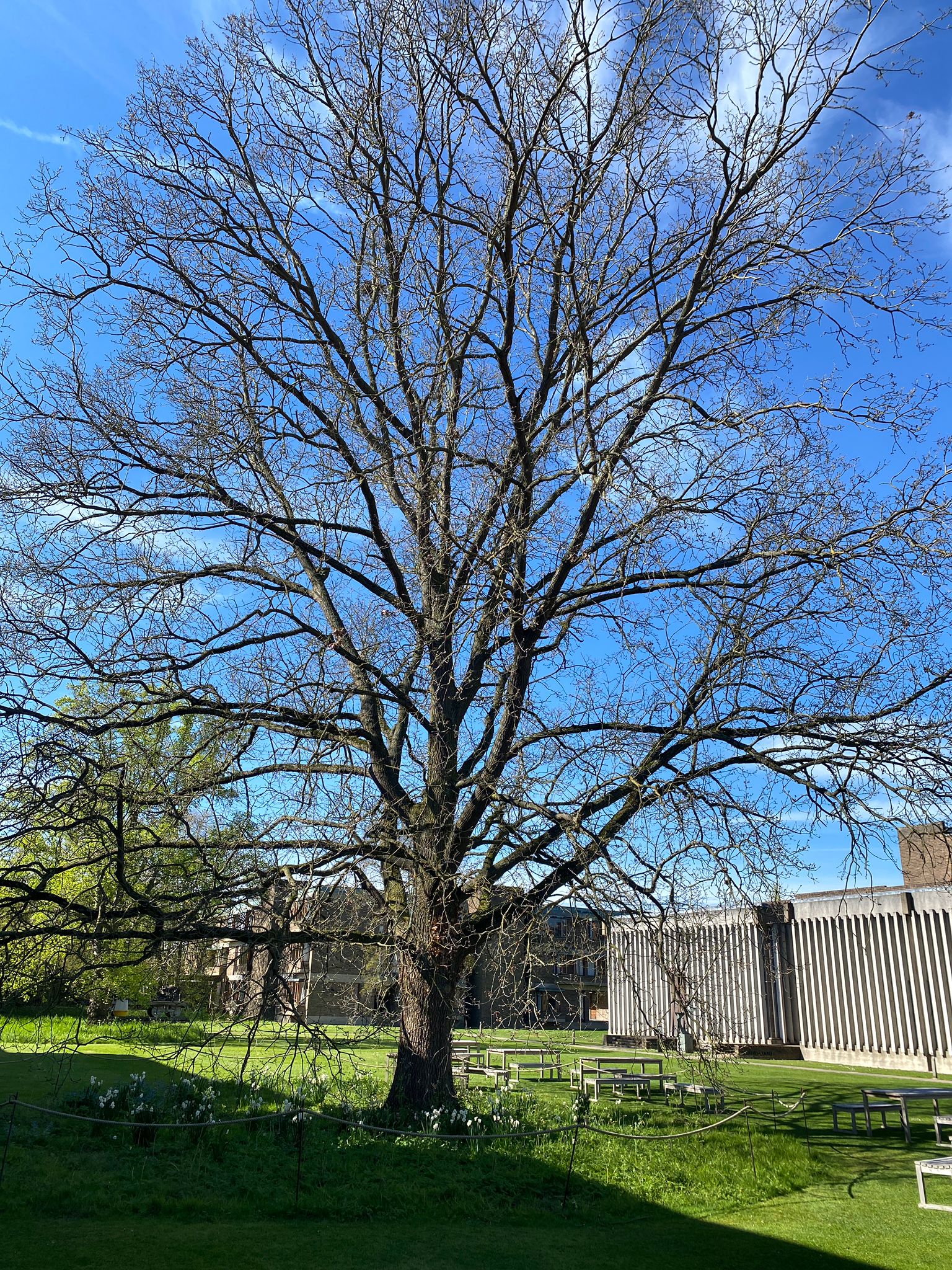
For those who arrived early, Sunday was an unhurried start. A group gathered at the Porters’ Lodge at Churchill College for the Cambridge photo walk, winding through the city at a relaxed pace with a coffee stop halfway. No agenda, no slides. Just a chance to meet people before the conference noise kicked in.
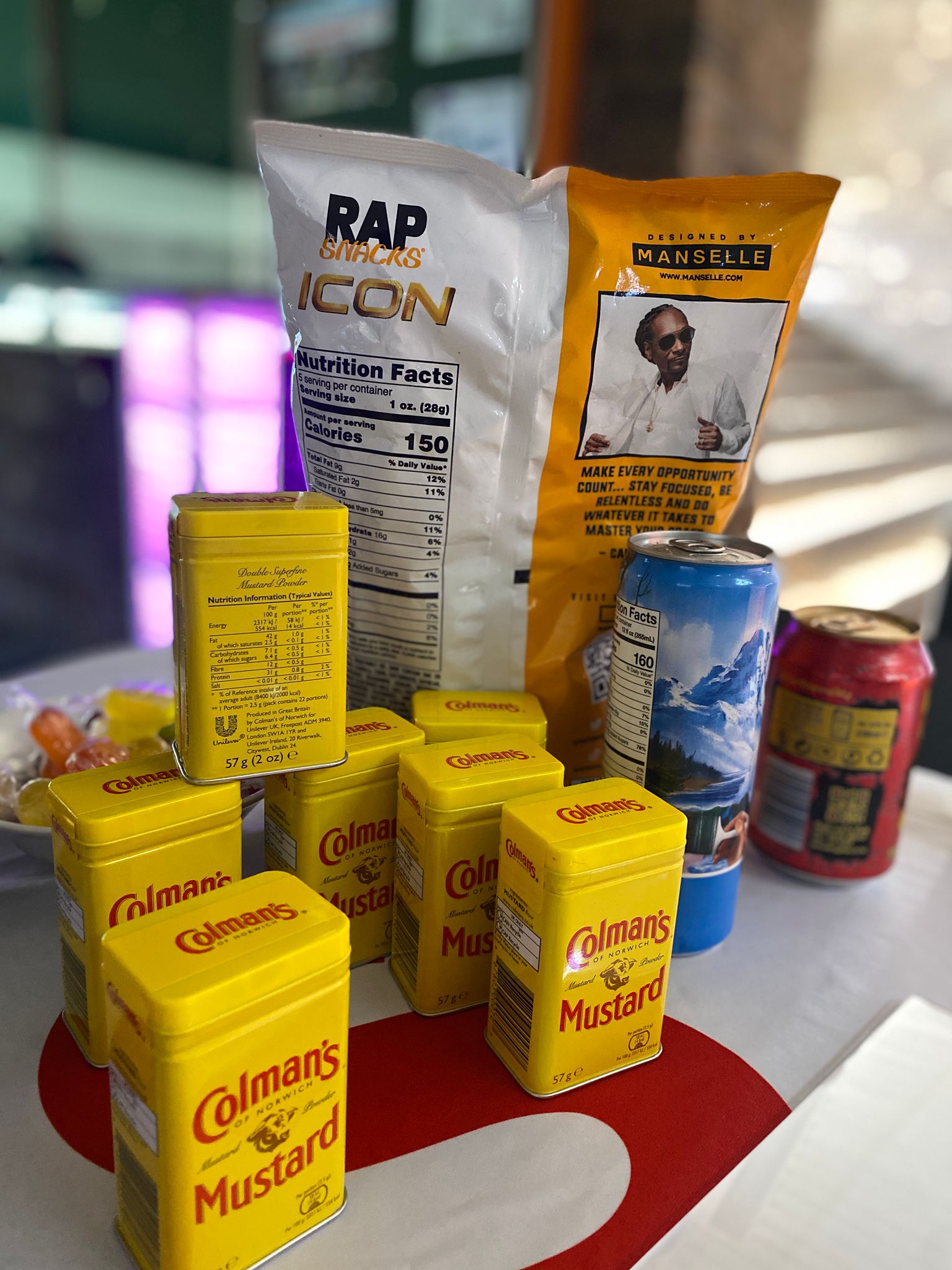
The Local Corner
This year’s Local Corner was one for the books. Attendees brought a little piece of home: chocolate, biscuits, sweets, and snacks from wherever they’d travelled from. It became one of those quiet BoS traditions that somehow says more about the community than any slide deck could.
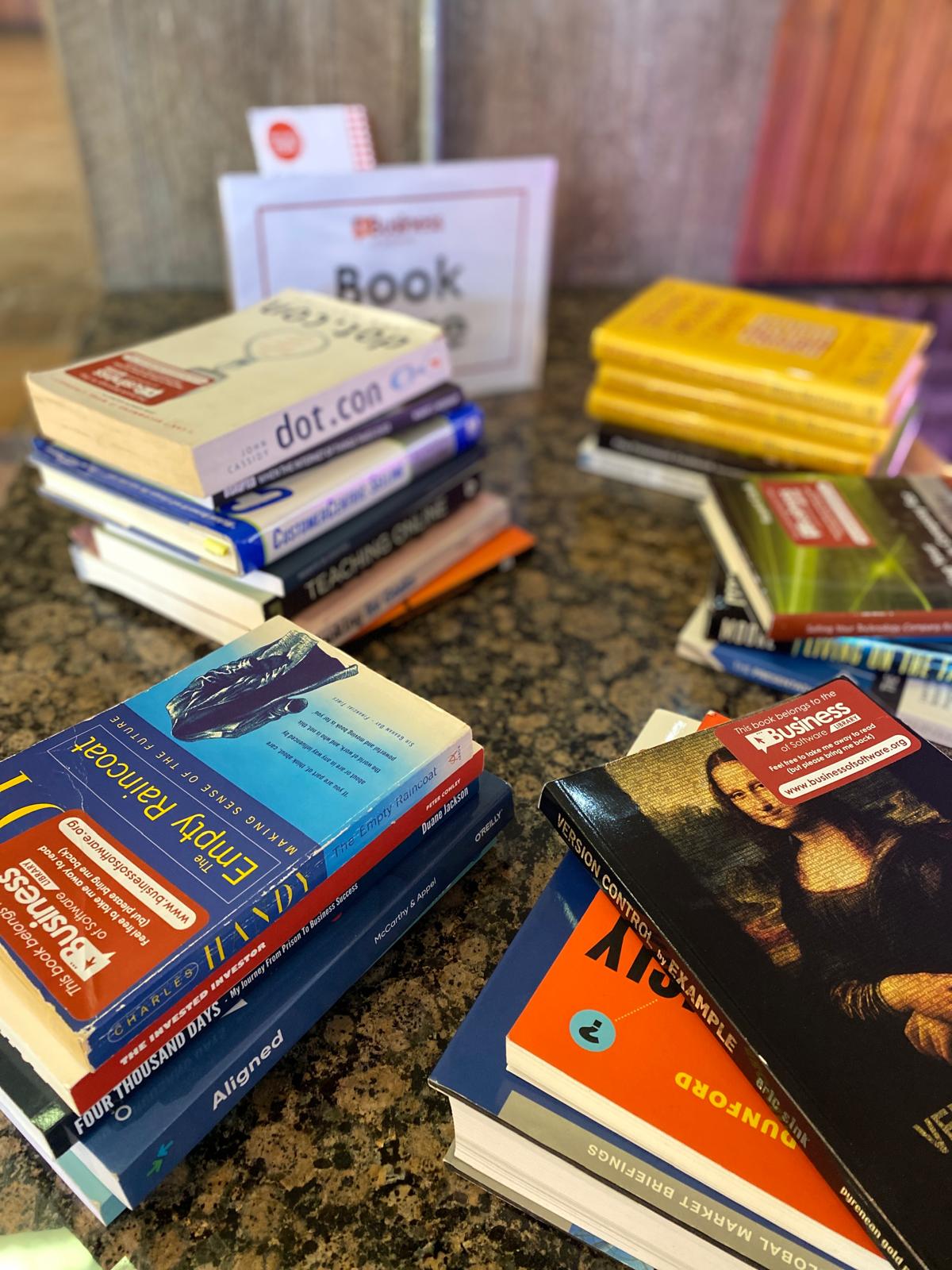
Free book giveaway
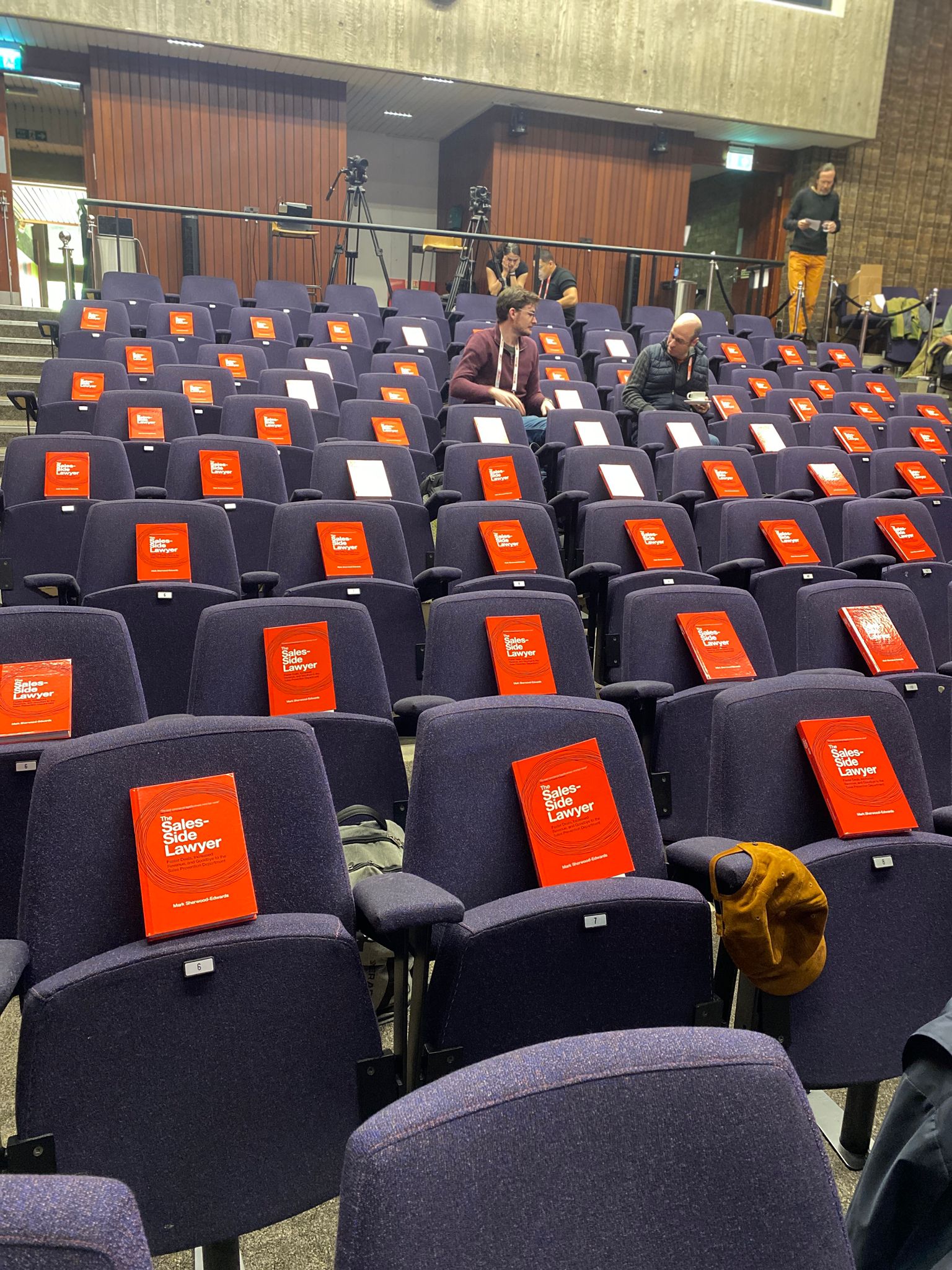
Mark Sherwood-Edwards, an attendee and also the author of The Sales-Side Lawyer: Faster Deals, Increased Revenue, and Goodbye to the Sales Prevention Department handed out copies of the book during the event. Useful reading for any founder who’s ever lost a deal in legal.
Day 1 — Monday, 13 April
The morning kicked off with registration, breakfast, and the first round of Birds of a Feather discussions. If you’ve been to BoS before, you know: the breakfast tables are where some of the best conversations happen. Topics ranged from growth and hiring to the usual question of whether the thing you’re building actually deserves to exist.
MORNING SESSIONS
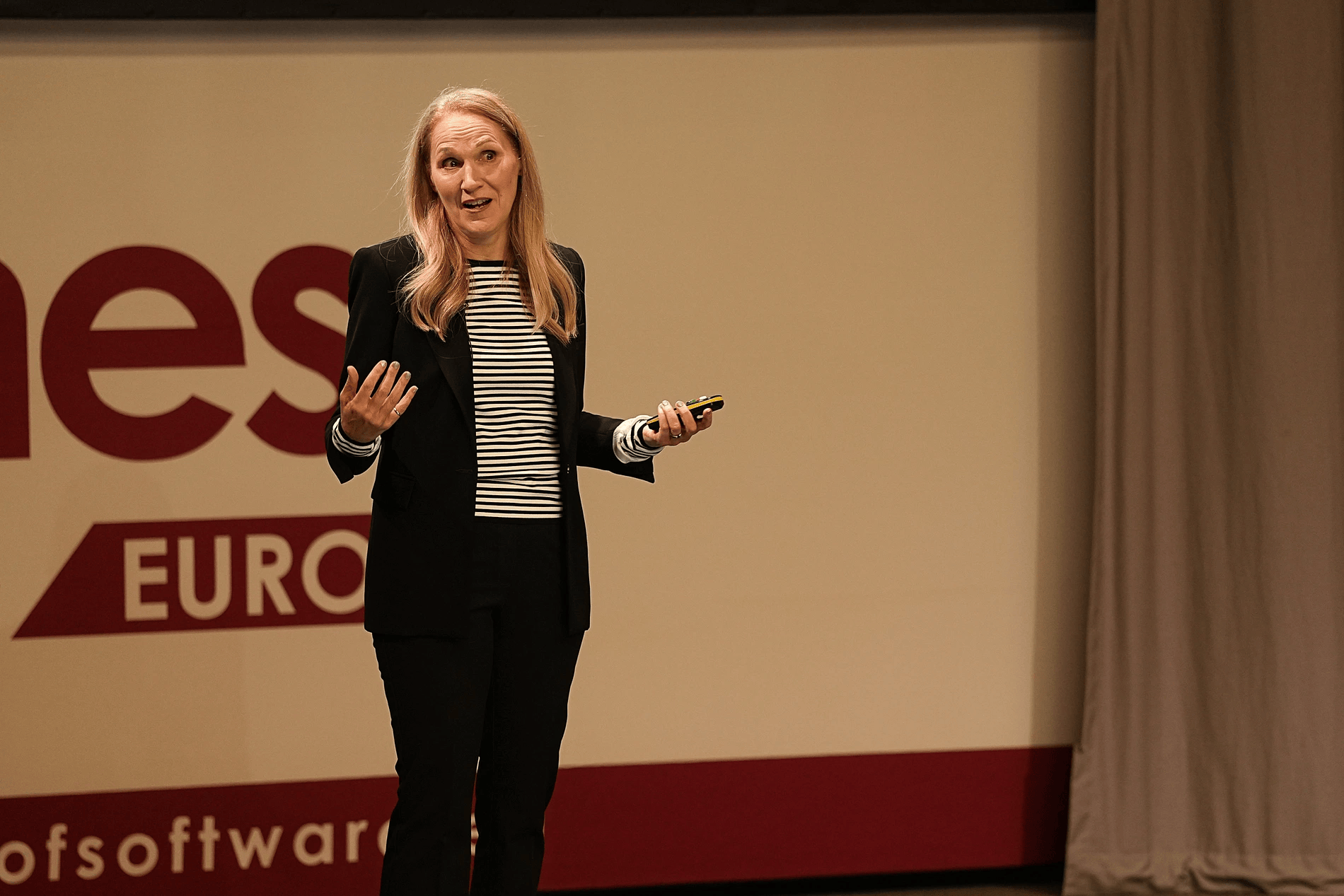
April Dunford — The Hard Parts of Positioning
Executive consultant and author, Obviously Awesome
April opened the conference with something many founders quietly dread confronting: their positioning probably isn’t as strong as they think it is. Drawing on 11 years and over 300 technology companies, she walked through four recurring positioning challenges, from misidentifying competitive alternatives to what she calls “product pessimism,” when teams are too close to their own work to see its real strengths.
“Your biggest positioning problem isn’t your messaging. It’s the assumptions underneath it that nobody has stopped to question.”
Vince Darley — Extreme Clarity. Relentless Focus.
Product & Growth, former Meta, Deliveroo, King
Vince has led teams of 10 to 1,000 across some of the most demanding product environments in the world. His message was disarmingly simple: most companies take on too much, and it kills them slowly. He shared his iterative process for finding extreme clarity using nothing more than a blank whiteboard, and made the case for a very tight focus on delivering a few things, fast.
“Taking on too much isn’t ambition. It’s the most common way companies quietly destroy themselves.”
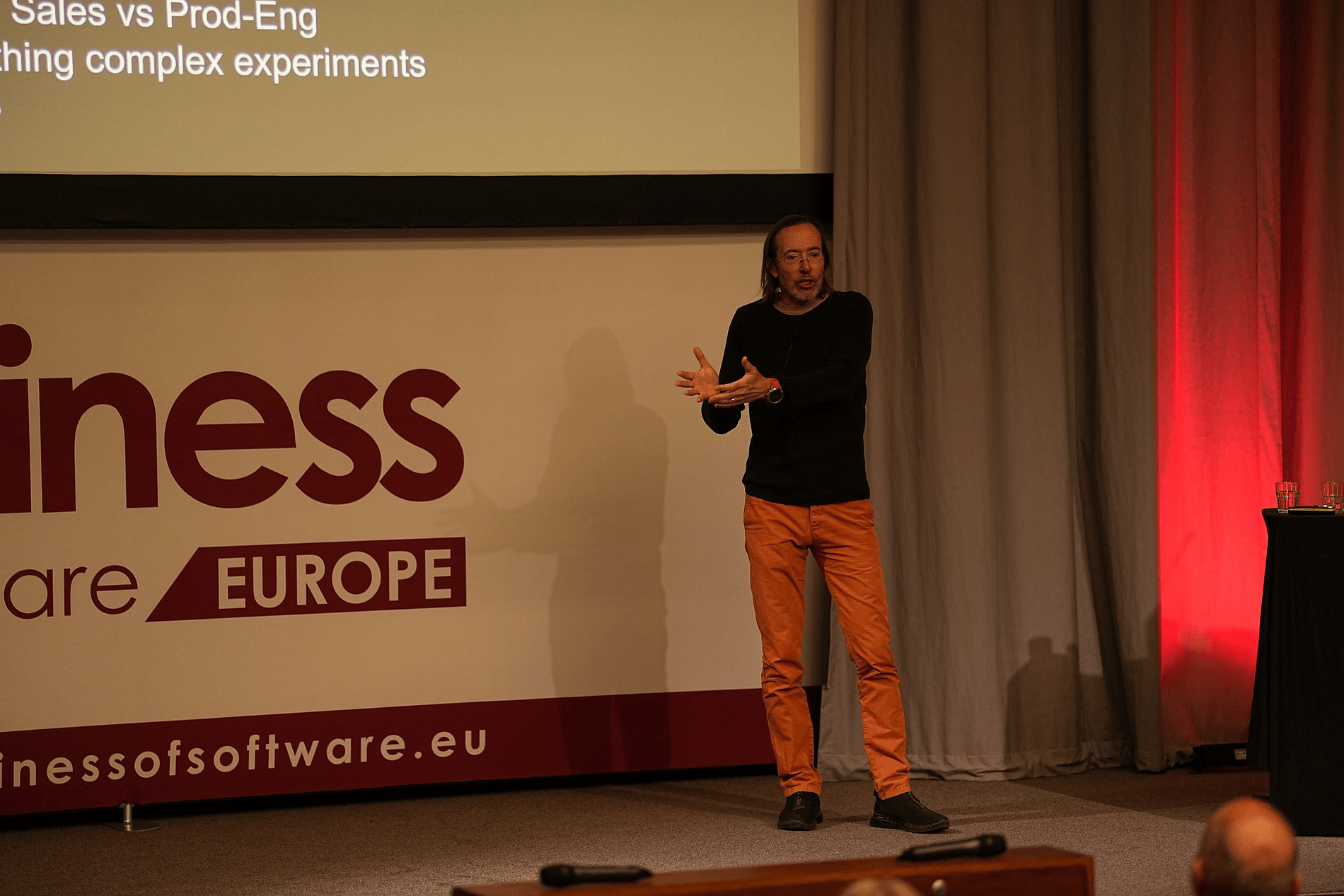
Bruce McCarthy — From Product Managers to Product Builders
Founder, Product Culture
AI isn’t just changing the tools product teams use. It’s changing what product organisations are. Bruce made a clear-eyed case that as coding becomes cheaper and faster, the value of roles focused mainly on feeding work to engineers is quietly diminishing. The real constraint moves to strategy, judgment, and leadership.
“When execution gets cheap, the only thing that compounds in value is judgment. Empower the people who have it.”
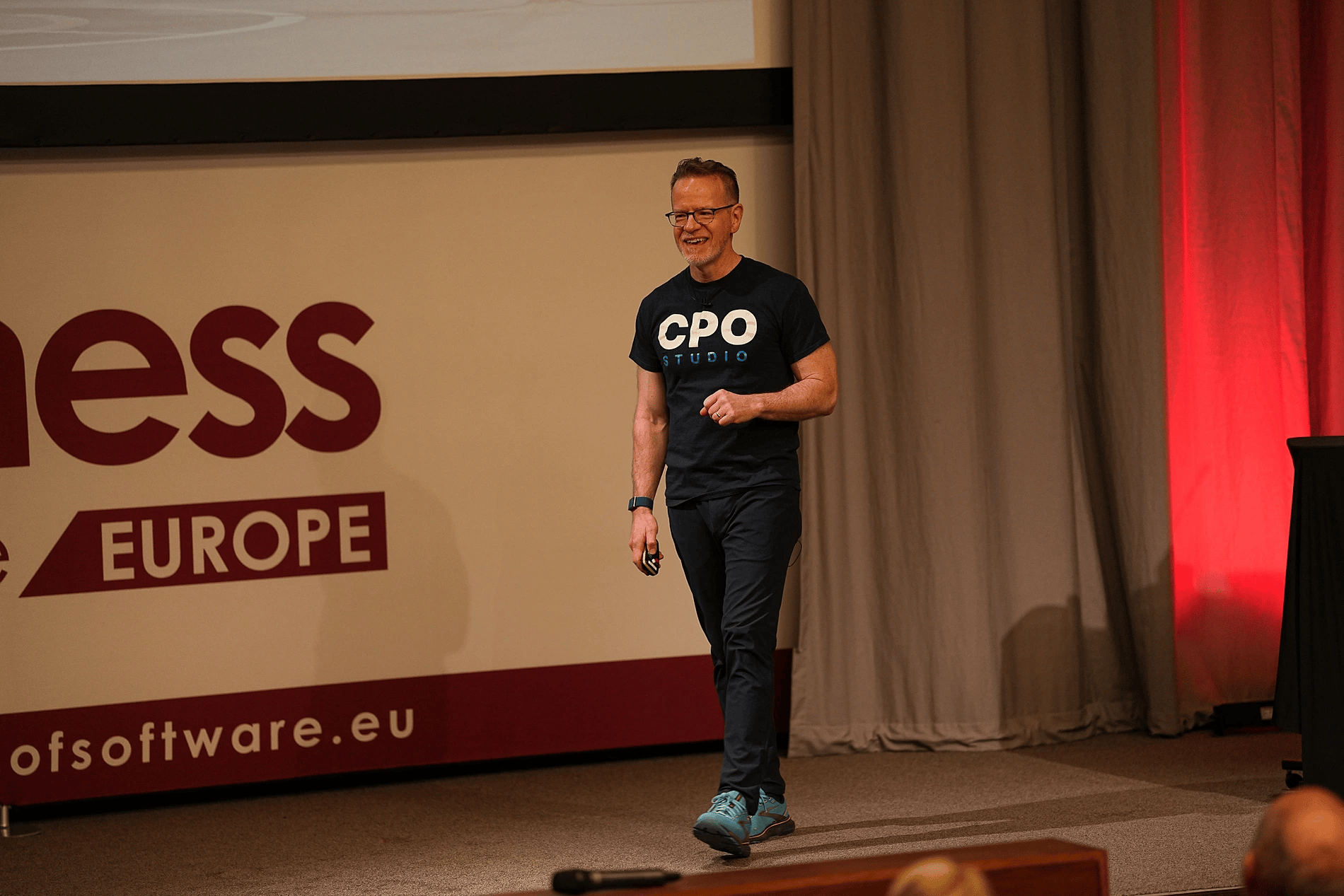
LUNCH & BREAKOUTS
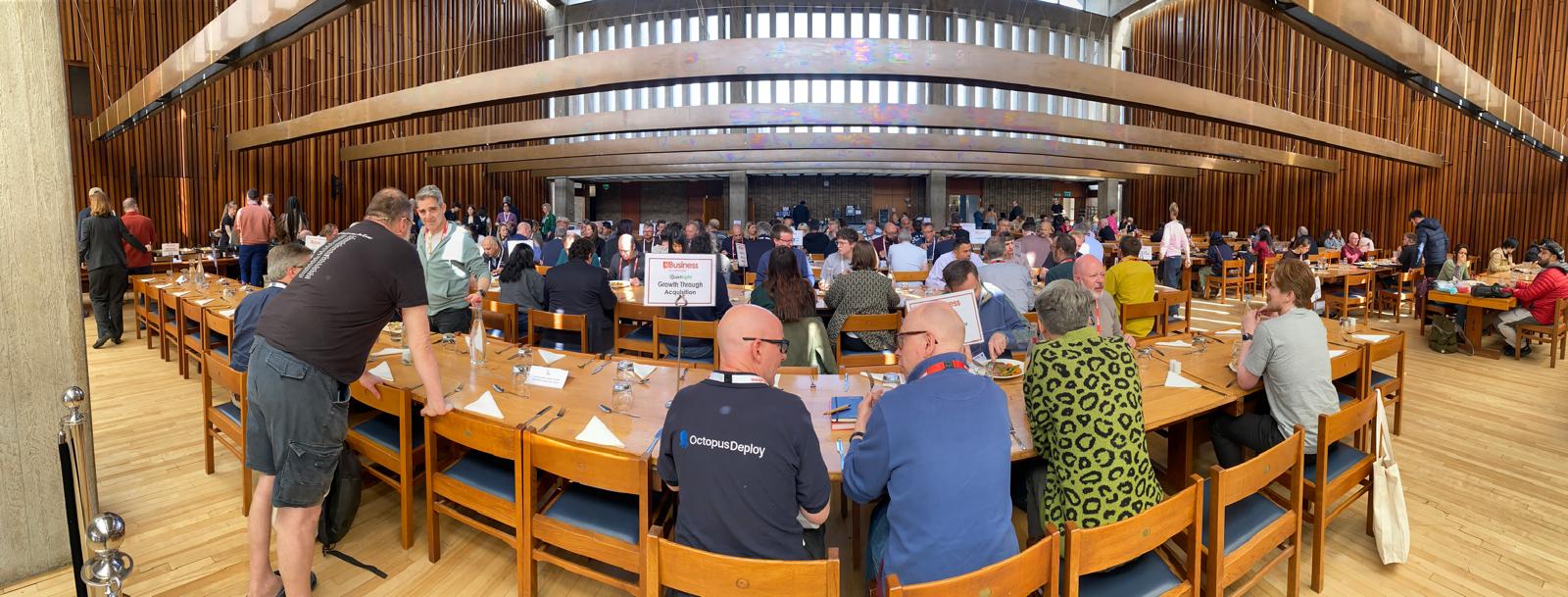
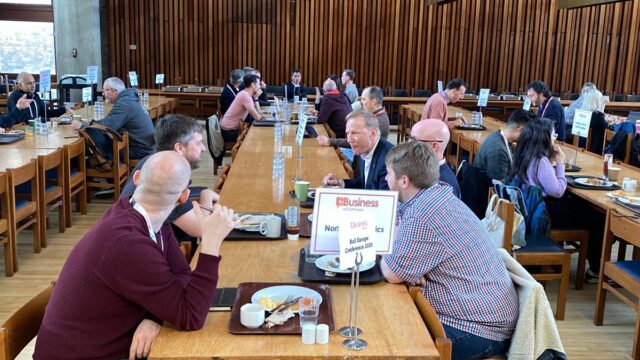
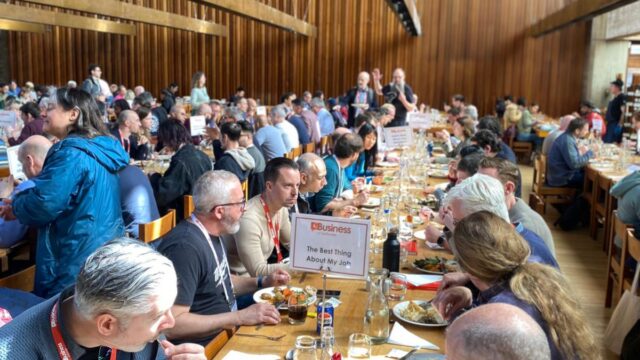
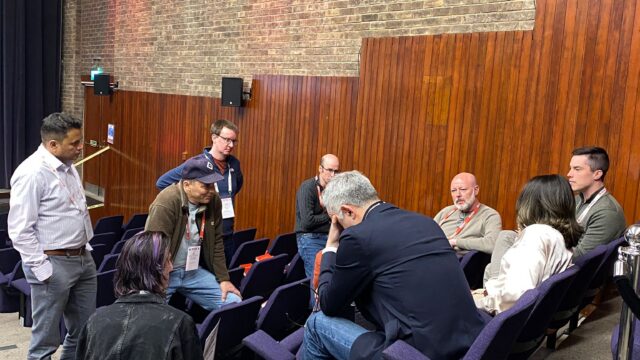
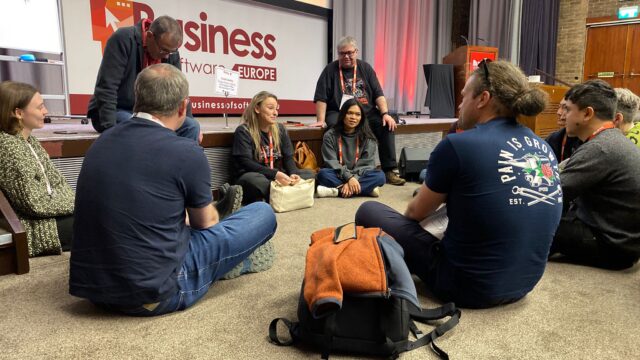
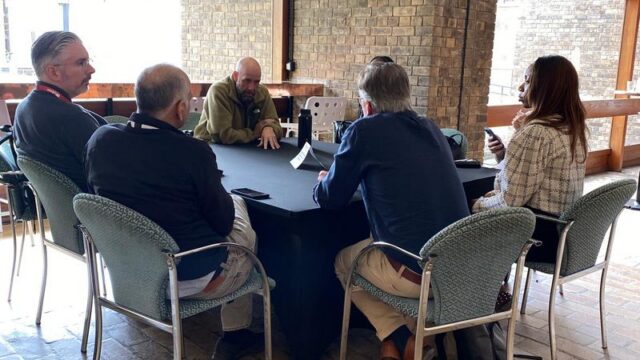
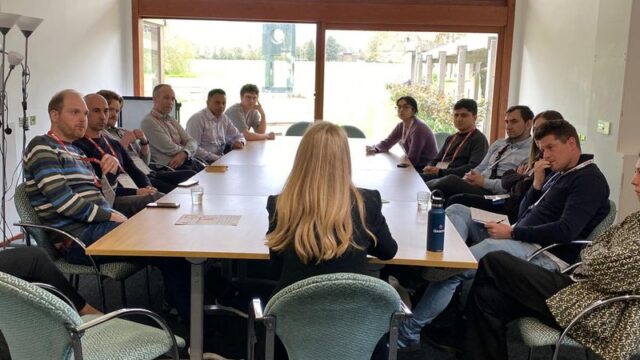
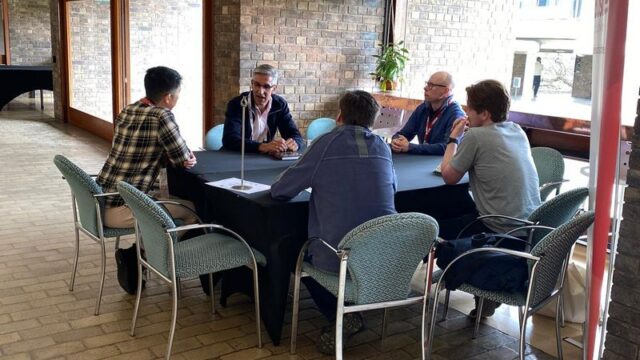
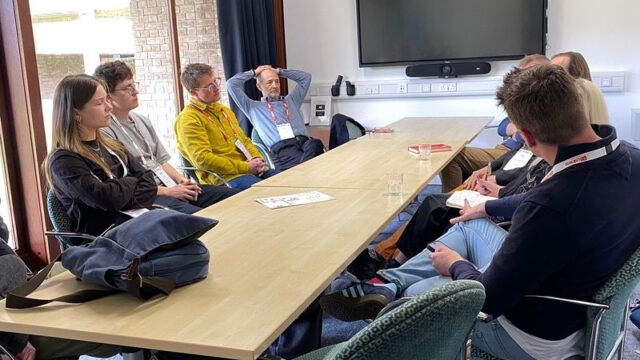
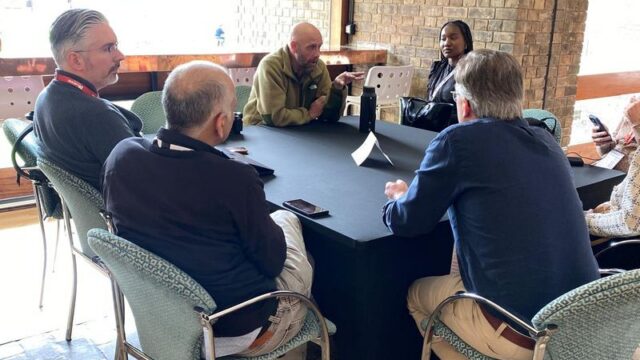
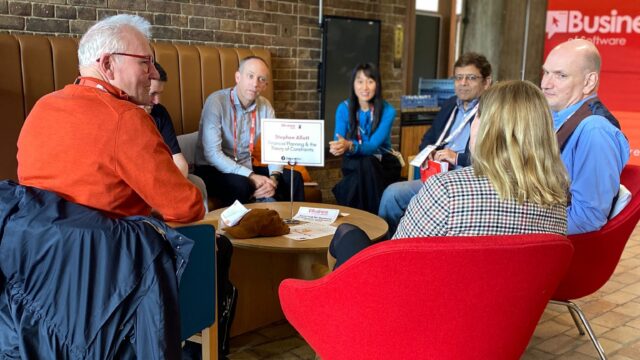
Lunch at BoS is never just lunch. The dining room filled with Birds of a Feather tables, each one pulling a different thread from the morning. After lunch, attendees spread into breakout rooms and hallways for the Meet the Speakers sessions, where the real interrogation begins.
AFTERNOON SESSIONS
Joanna Wiebe — The Art and Science of Copywriting
Founder, Copyhackers
Joanna is the inventor of conversion copywriting and has spent two decades helping companies including AWS and Canva write copy that actually moves people. Her central point: copy that sounds good and copy that sells are not the same thing. She shared her proven framework for customer-centric messaging, including how to skip the brainstorming entirely and go straight to what your customers are already saying. Her upcoming book, The Copyselling System, lands in July 2026.
“Stop writing from your own head. Your customers have already told you exactly what to say. You just need to listen.”
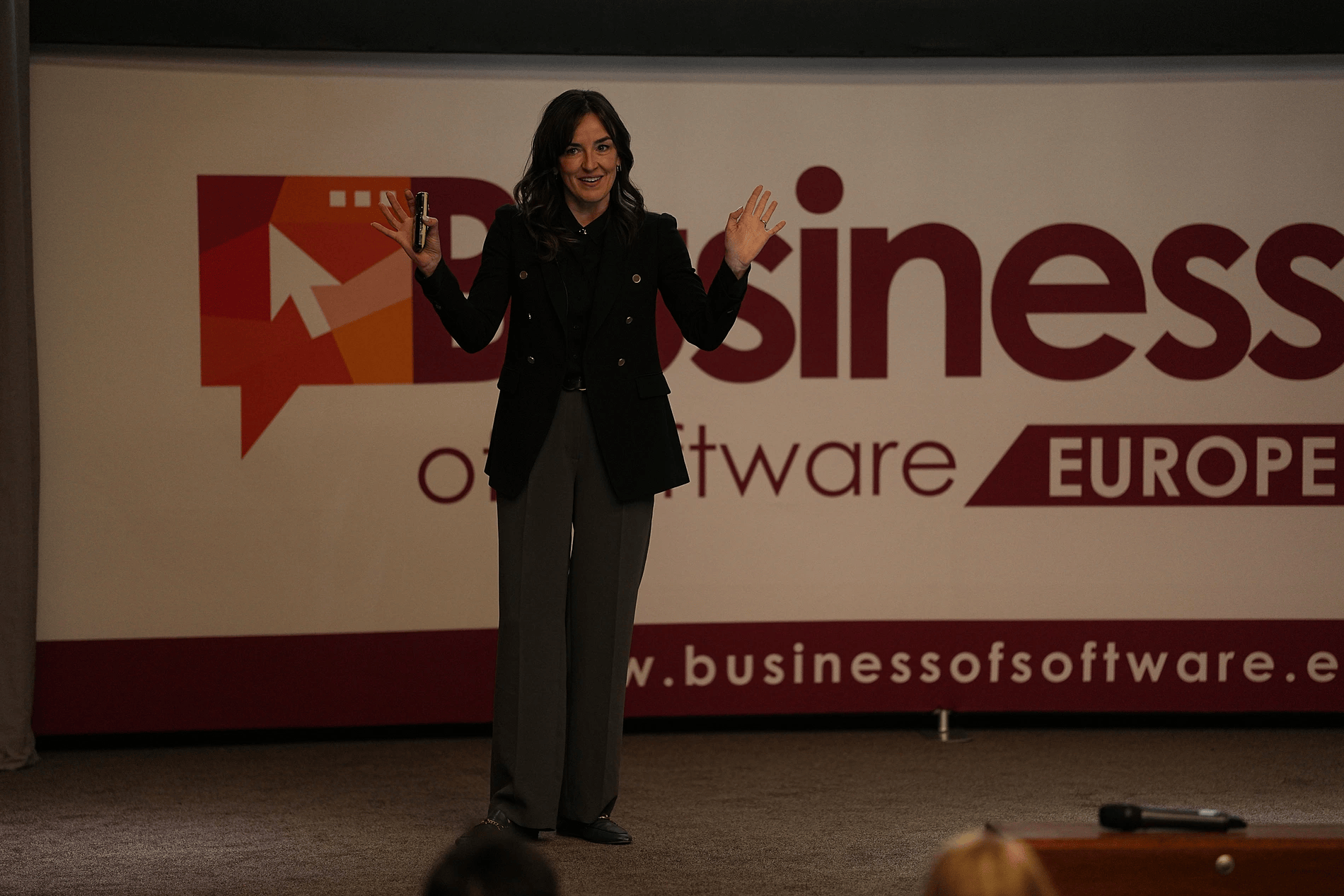
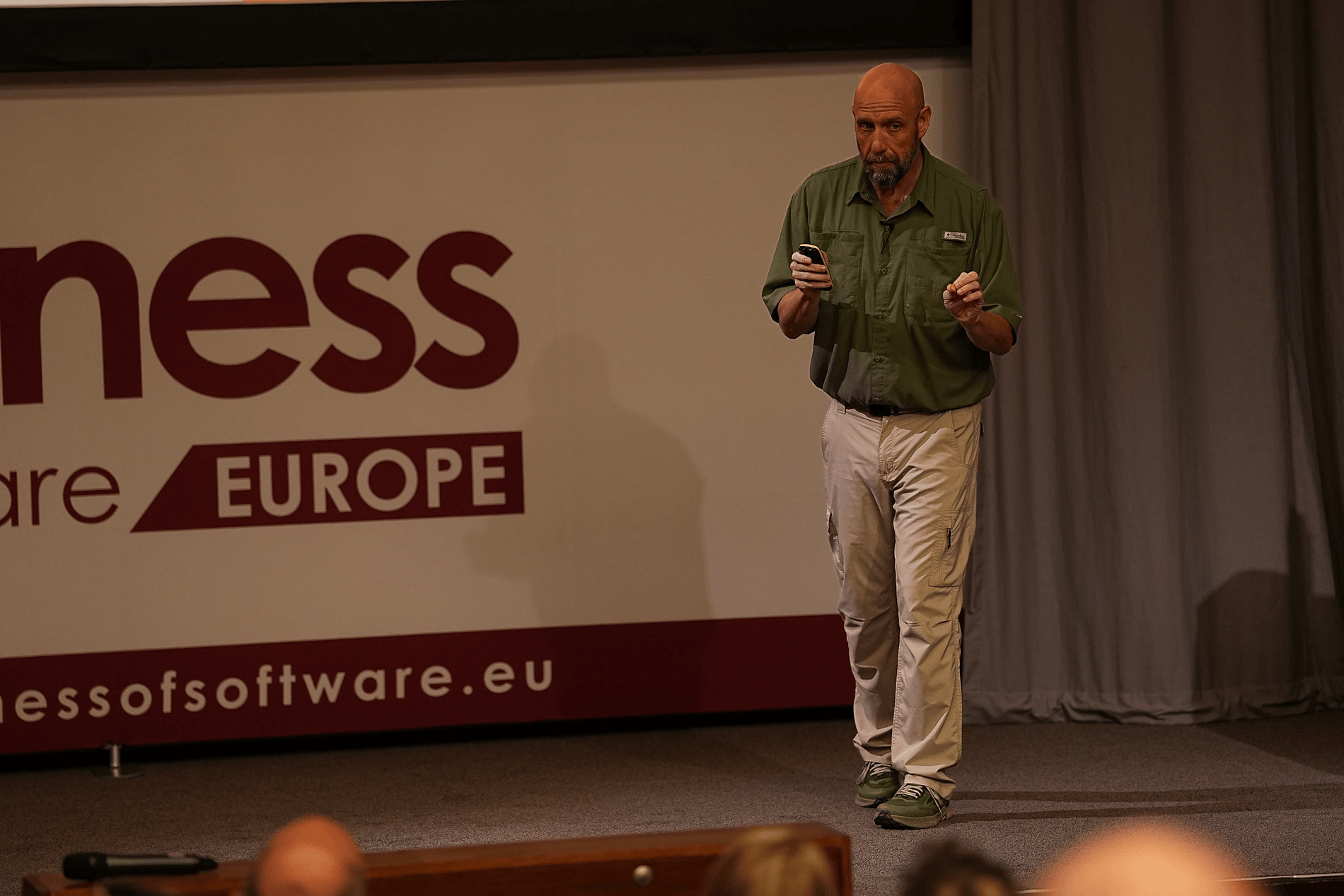
Shawn Anderson — Building B2B Ecosystems
Co-founder & ex-CEO, PDQ
Shawn bootstrapped PDQ from necessity — no one would fund them — to a PE-backed company serving SysAdmins across the world. His talk explored how PDQ built one of the strongest and most active B2B communities around a user base that, on the surface, seemed to have little in common beyond the software.
“An ecosystem makes a strong SaaS unstoppable. A shaky one, it’ll break. Know which one you have before you build.”
End of Day 1
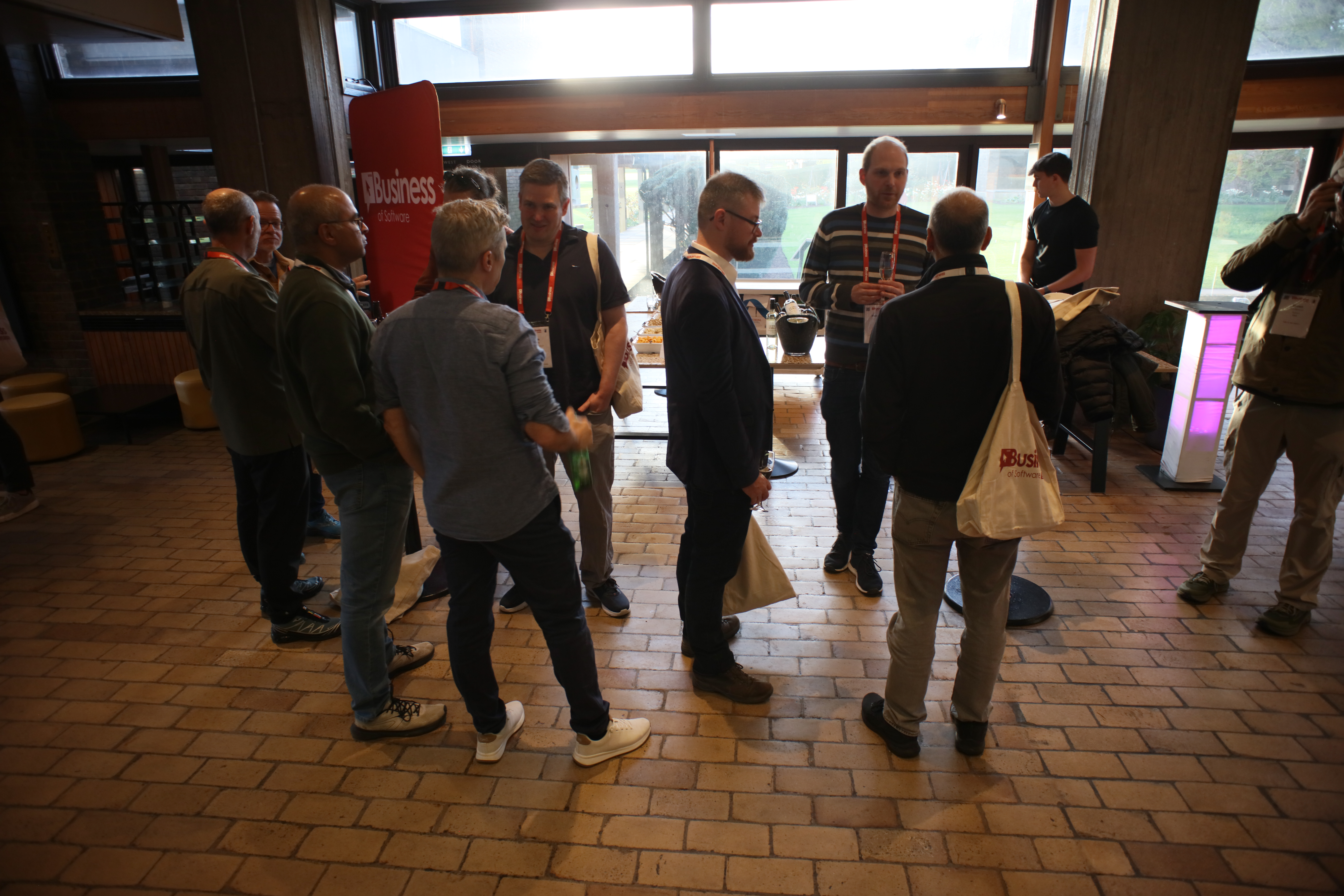
Networking drinks back in the Buttery Bar, then dinner in the dining hall. By this point the room had that particular BoS energy: people who arrived as strangers now deep in conversation about the things that actually matter. The kind of evening that runs later than planned.
Day 2 — Tuesday, 14 April
BoS Shirt Day & the Class Photo
Tuesday is shirt day. Whether it was a worn-in favourite from a few years back or this year’s fresh one, everyone pulled on their BoS gear for the class photo. A tradition that somehow keeps getting better as the class gets bigger.

Breakfast and another round of Birds of a Feather discussions got the morning going. By day two the tables had a different feel — people picking up where they left off the night before, going deeper on the things that had been rattling around since yesterday.
MORNING SESSIONS

Melanie Rieback — Non-Extractive Business and Finance
CEO, Radically Open Security
Melanie founded Radically Open Security, a company that donates 90% of its profit to charity, and in 2025 launched Non-Extractive Capital to help entrepreneurs pursue alternative business models. Her talk was a systems-level challenge to the current orthodoxy, making the case that rethinking governance structures and financial incentives isn’t just idealism.
“The way most businesses are structured actively encourages harm. Changing that isn’t naive. It’s the most practical thing you can do.“

Tim Barker — AI, Worthless SaaS Playbooks and Redundant Org Charts
CEO & Co-Founder, Attain IP
Tim has founded five startups and sold one to Salesforce. His talk this year asked a different question: what happens if you’re AI-native from day zero? He shared hands-on how he runs product, marketing, and operations with a small team and a fleet of AI agents, including the $2,000 LinkedIn mistake that taught him why guardrail agents matter. His honest assessment of what experienced founders now need to unlearn was one of the most talked-about sessions of the conference.
“Your hardest-won leadership instincts might be the next thing you need to unlearn. AI doesn’t just change what you build. It changes how many people you need to build it.”

Ton Dobbe — Is Your Company Remarkable?
Founder, Value Inspiration
Ask a software CEO how differentiated their company is and they’ll say seven out of ten. Then ask how long it would take a competitor to replicate it. Three weeks. Maybe two sprints. Ton has spent 30 years studying what separates the software companies people genuinely talk about from the ones that compete on price. Attendees scored themselves live. The contradictions were instructive.
“Most companies aren’t as remarkable as they think. The gap between “differentiated” and “genuinely different” is where growth hides.”
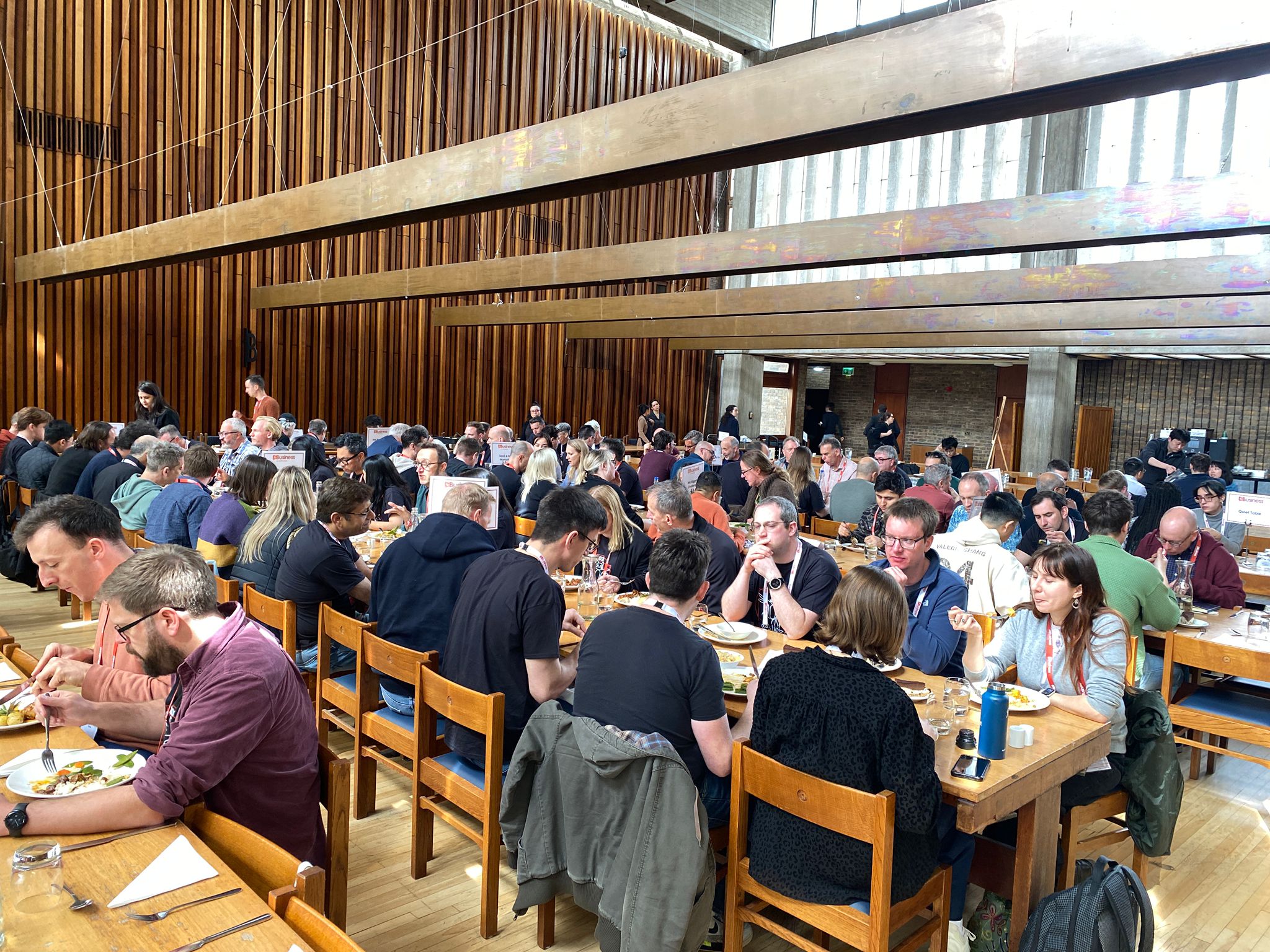
LUNCH & BIRDS OF A FEATHER TABLES
Lunch on day two always hits differently. There’s a looseness to it — the conference is nearly over and people are trying to squeeze in the last few conversations they haven’t had yet. The Birds of a Feather tables, breakout rooms and hallways were as busy as ever.
AFTERNOON SESSIONS
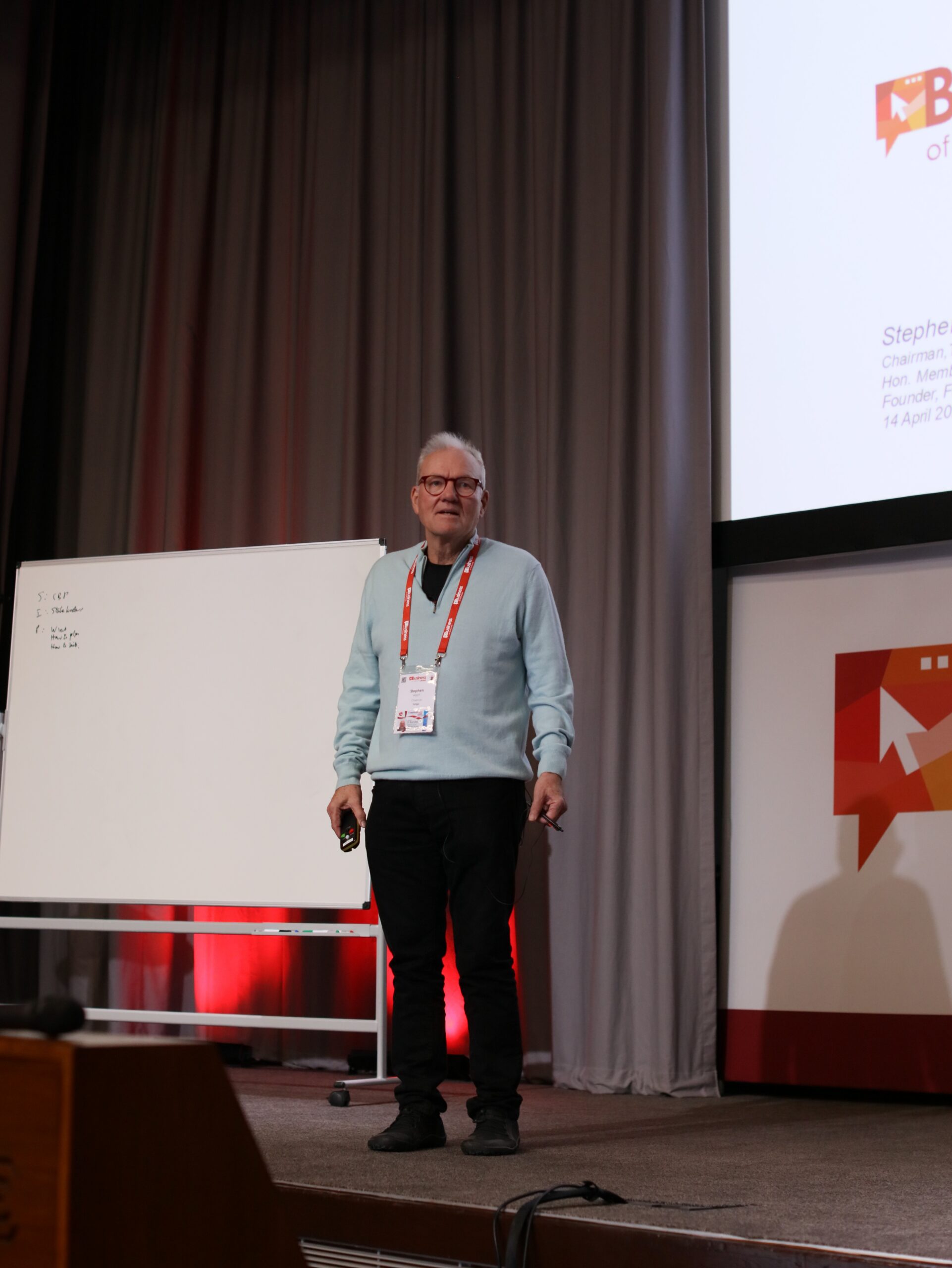
Stephen Allott — Financial Planning and the Theory of Constraints 2.0
Chairman, Tarigo
Stephen built Micromuse, the most valuable organically grown UK software company, to NASDAQ IPO and has advised nine unicorns as Venture Partner Emeritus at Seedcamp. His session offered a practical modelling framework based on Goldratt’s Theory of Constraints, focused on identifying the few variables that actually limit scale and connecting every metric directly to a decision you’d actually make.
“Most dashboards measure what’s easy to count. The ones that matter measure the handful of things that, if they moved, you’d actually do something different.”
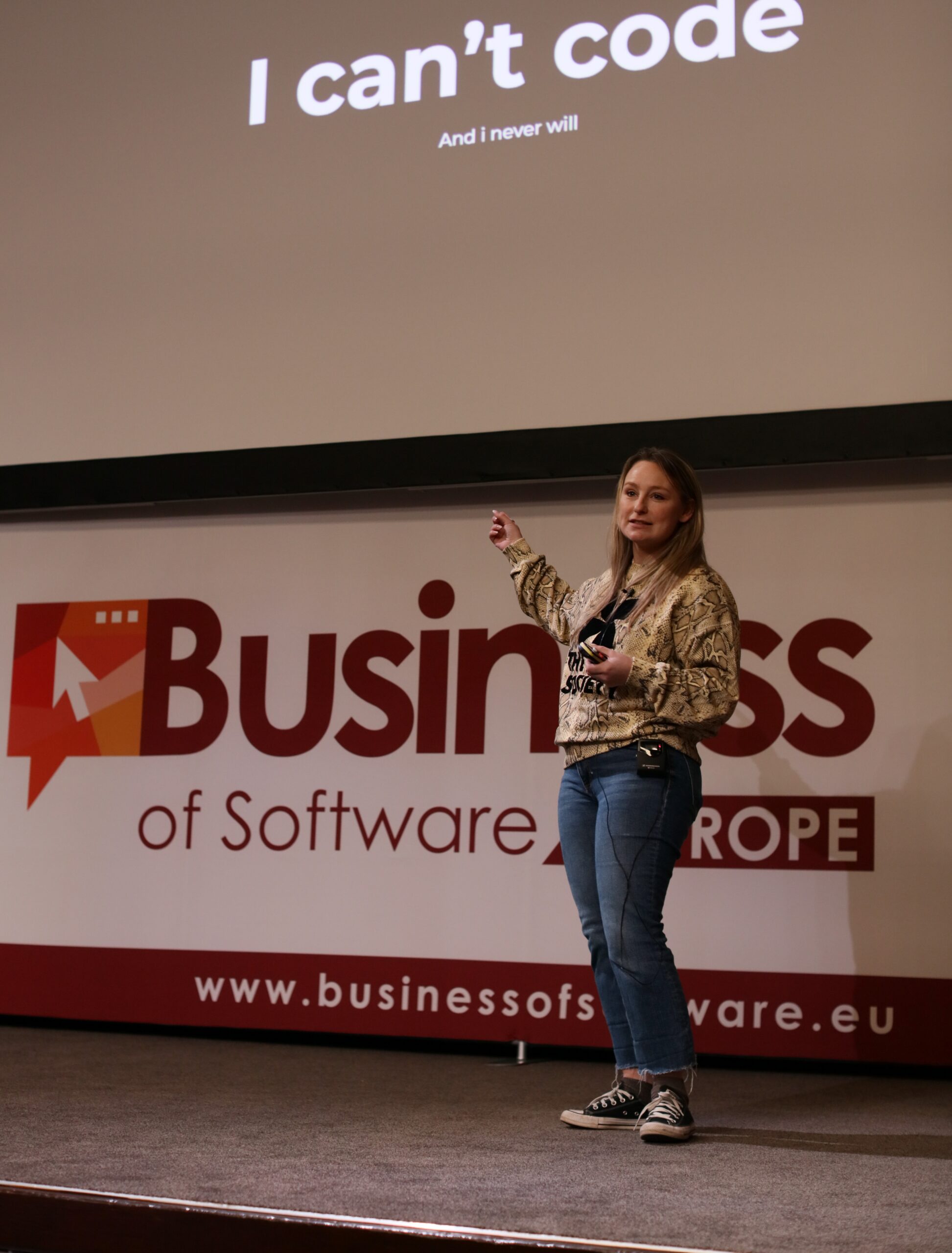
Lizzie Lawley — The New Product Velocity
Head of Applied AI, Memrise; Founder, Wombat
Lizzie shared Memrise’s two-year journey answering a deceptively simple question: how can AI actually help us and our customers make progress? The honest version included developer resistance, fear of replacement, and plenty of junior-school experimentation before anything clicked. The result: a team that moved from an 18-month feature freeze to shipping multiple AI-driven products, some built entirely by non-technical staff, generating meaningful revenue.
“The bottleneck was never the technology. It was the culture. Change that first, and the velocity follows.”
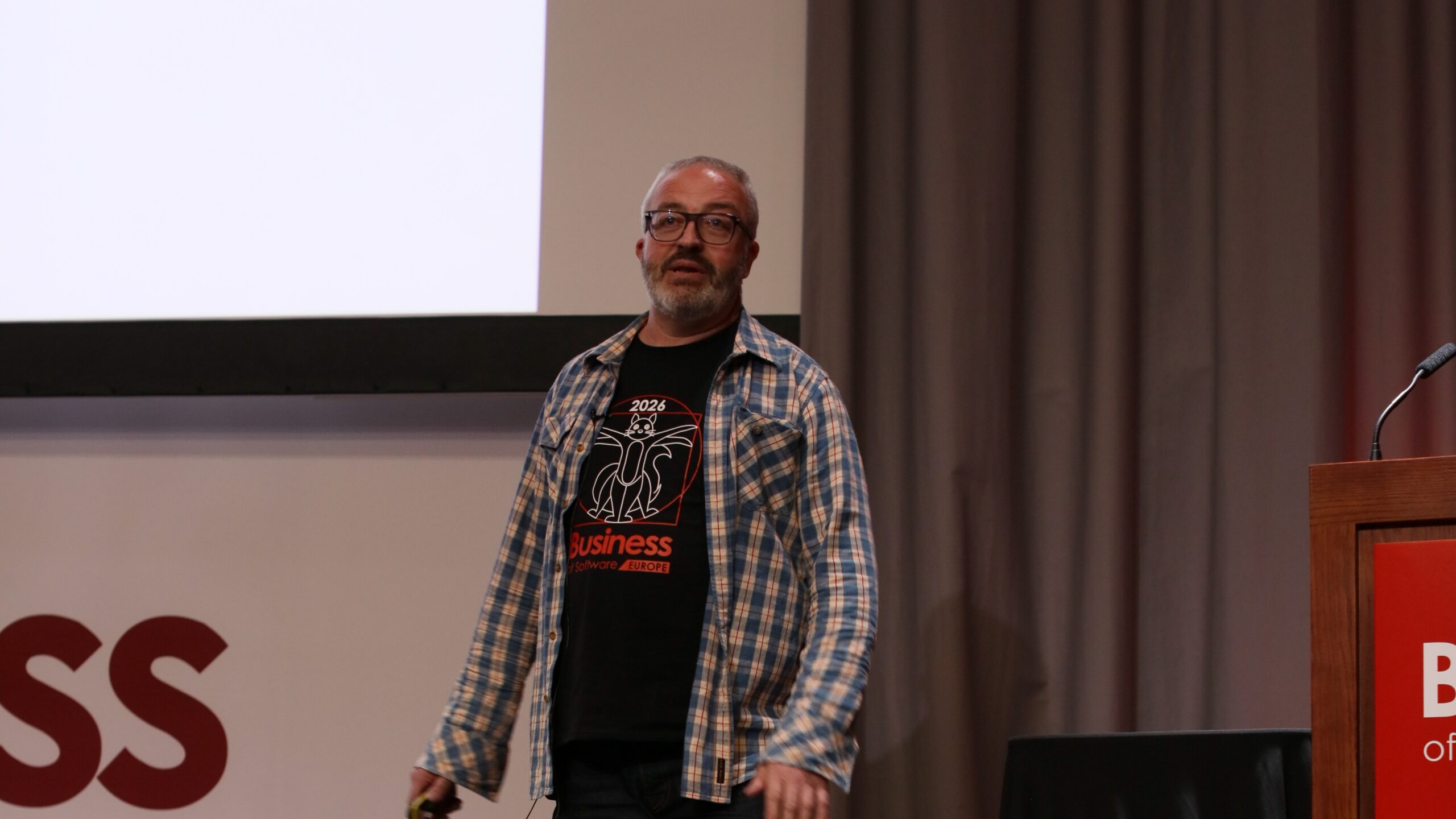
Dr. Ian Bailey — You Control Your Destiny — Startup Myth Busted
Co-CEO & CTO, Telicent
Ian co-founded Telicent at the start of lockdown, tried and failed to raise VC funding, and built a profitable, sustainable open source business anyway. His talk traced how his thinking evolved as the company grew, shrank, and grew again.
“The most liberating thing you can do as a founder is stop treating the company as your baby. It was never just yours to control.”
LIGHTNING TALKS
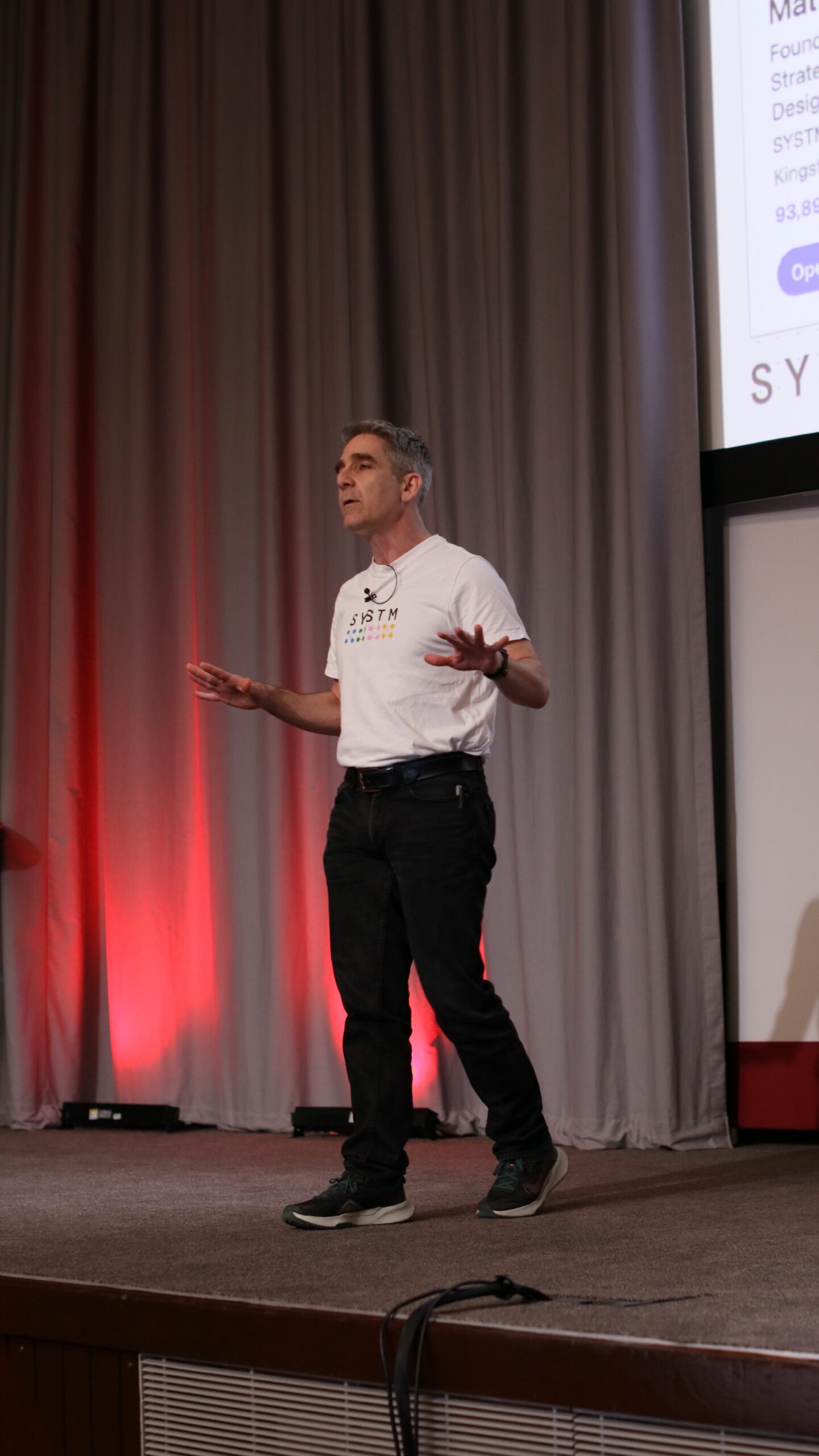
Matt Lerner — SYSTM
How we sold a software company for $20M using standup comedy
There’s more than one way to close a deal. Sometimes the unexpected approach is the only one that works.
Shona Molyneux — Elcella
The CFO playbook to kill a business
If you want to create value, find out exactly how to destroy it. Then do the opposite.
Christopher Moore — Quiet Light
Three acquisition approaches that should be worst-practice
The deals that feel logical are often the ones that cost you the most. Know the traps before you walk into them.
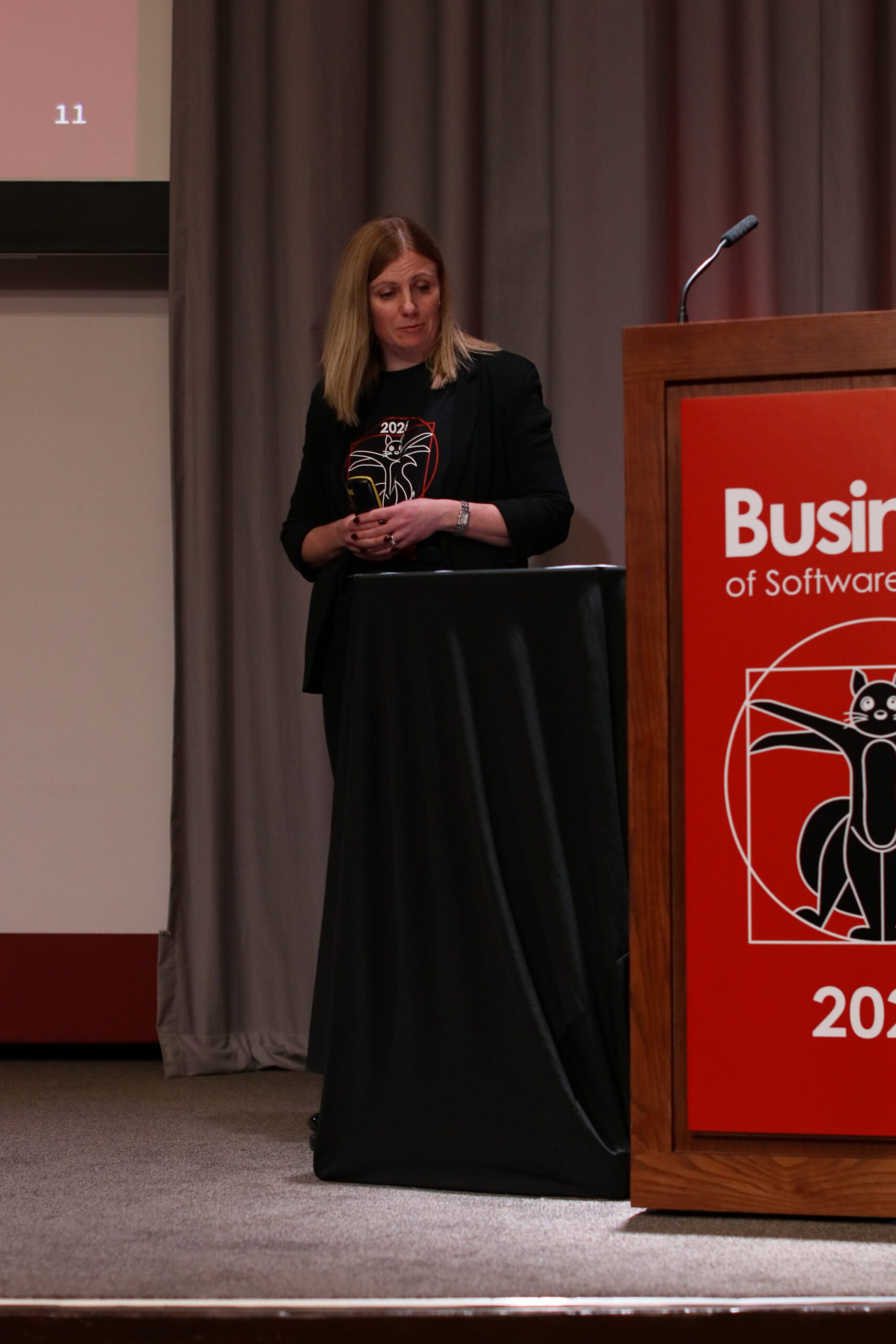

And then it was over
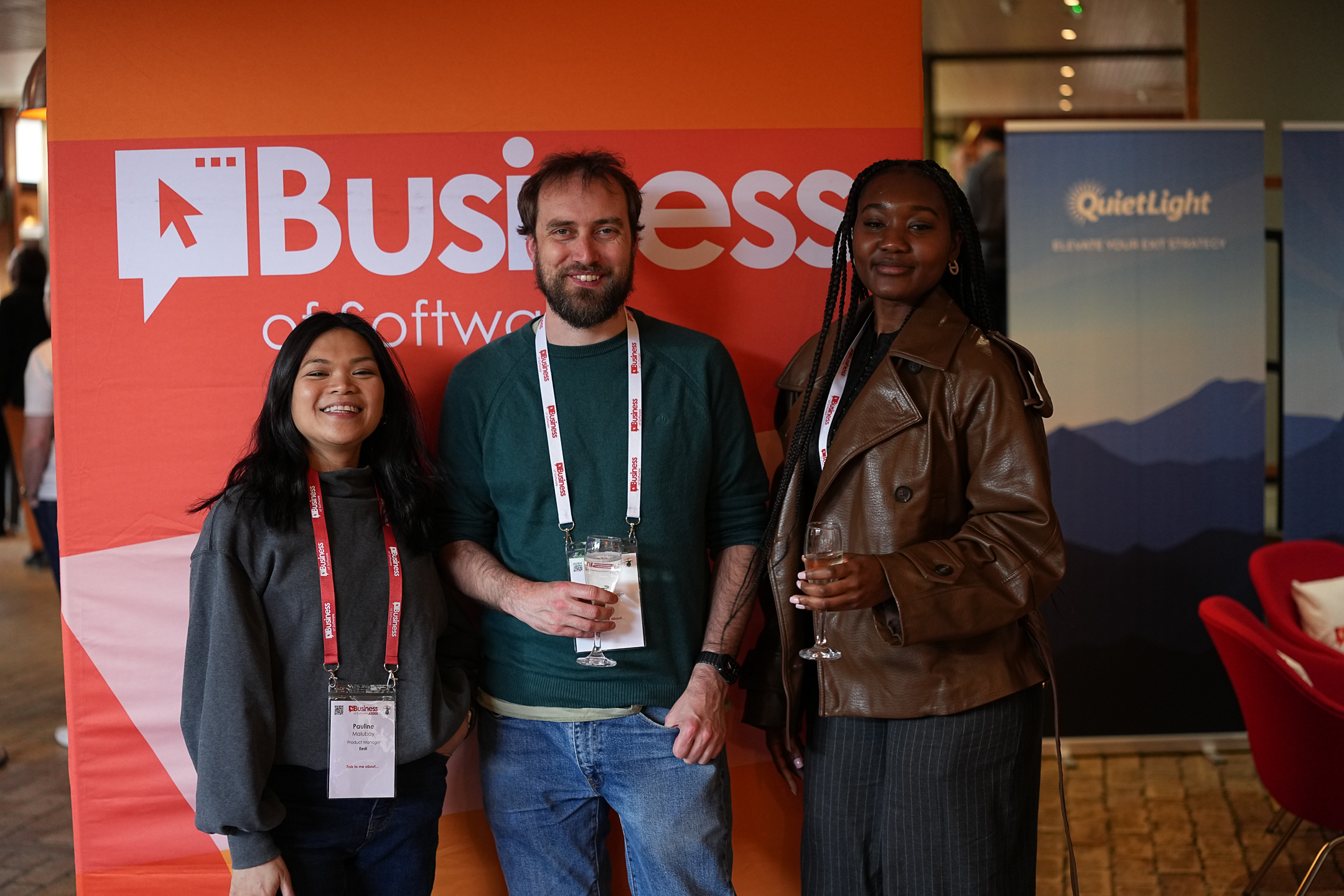
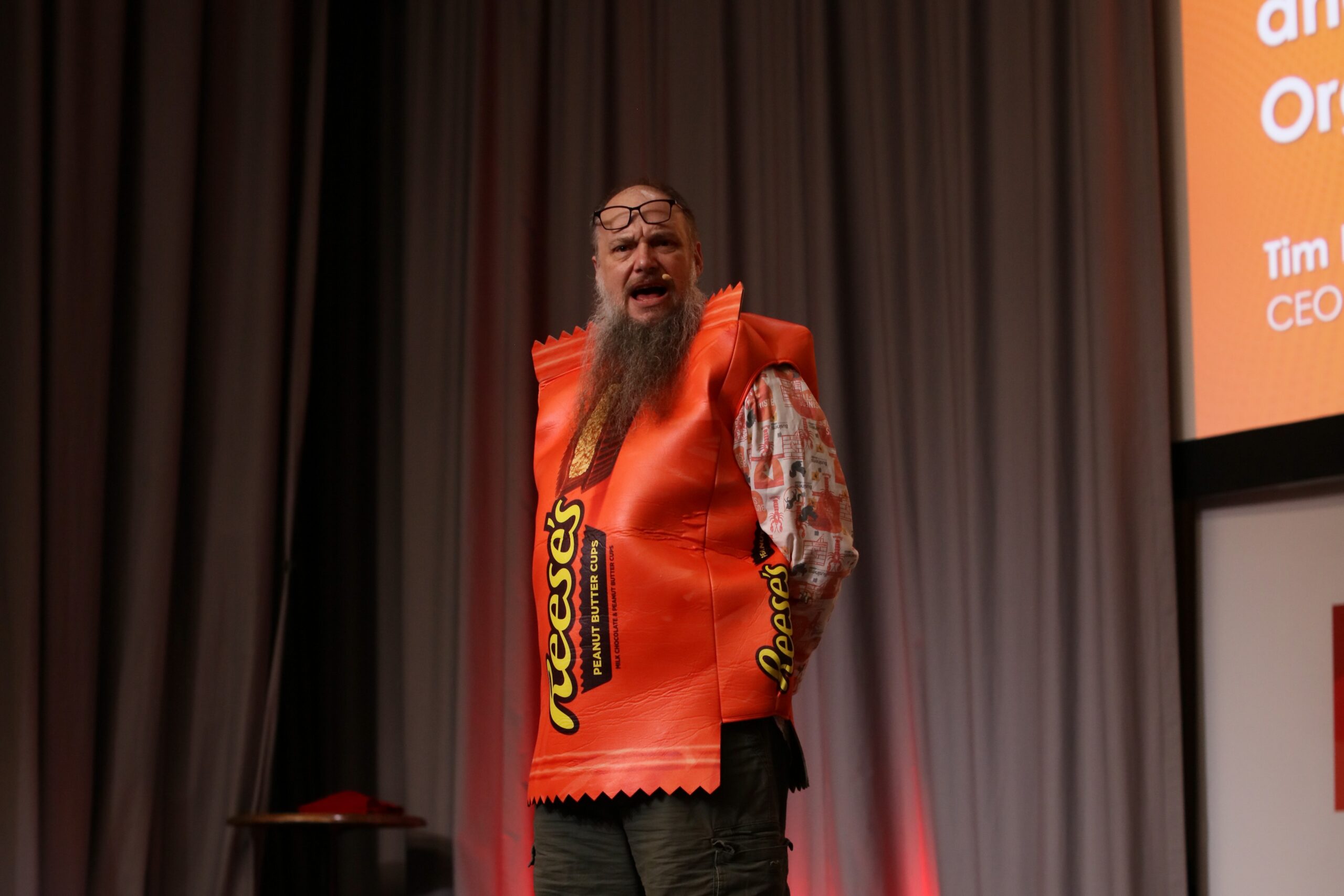
Closing drinks in the Buttery Bar. The usual mix of people wrapping up the last conversation they started three hours ago, swapping details, and making entirely sincere plans to stay in touch. Mark, somewhere in the room, likely in a Reese’s suit.
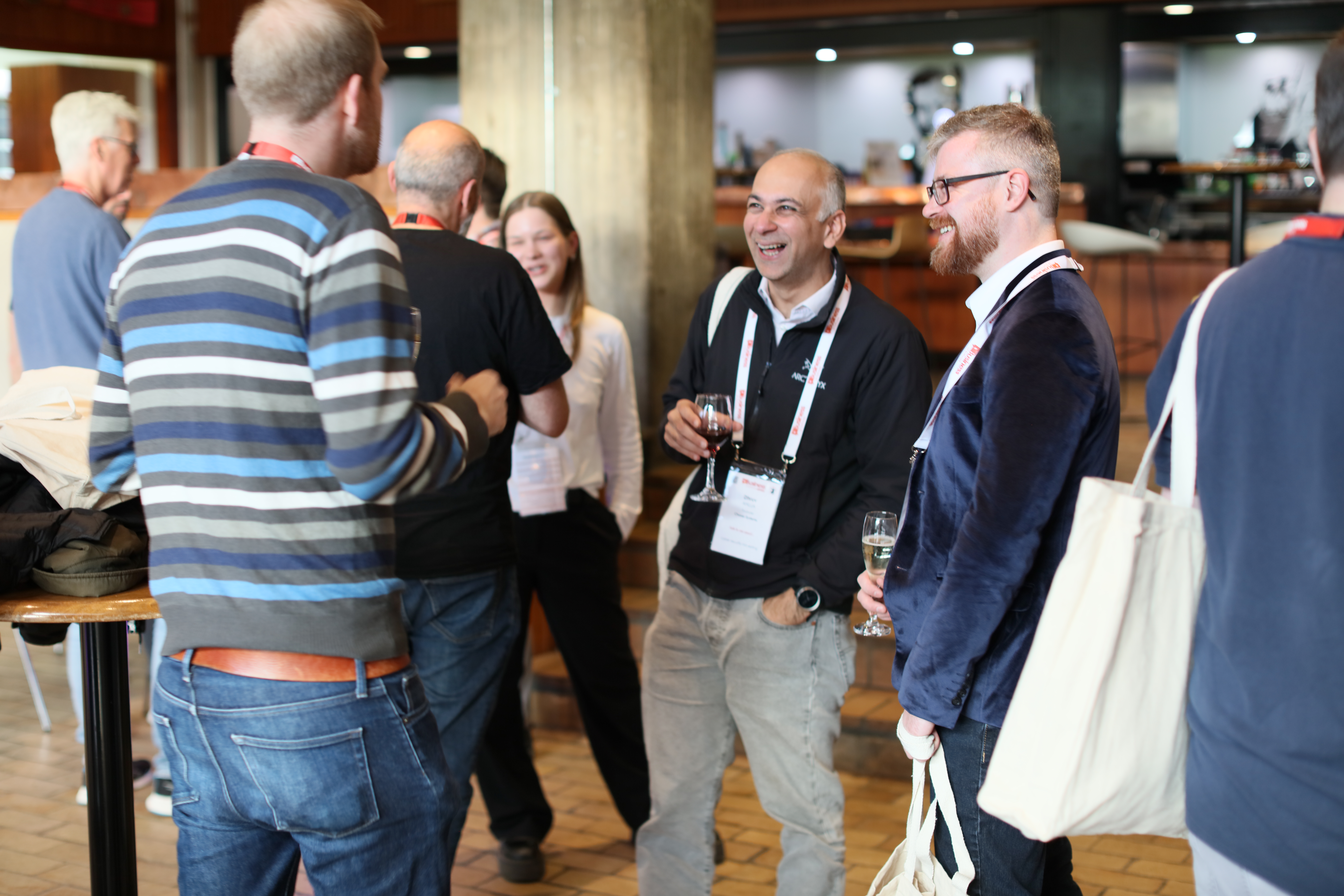
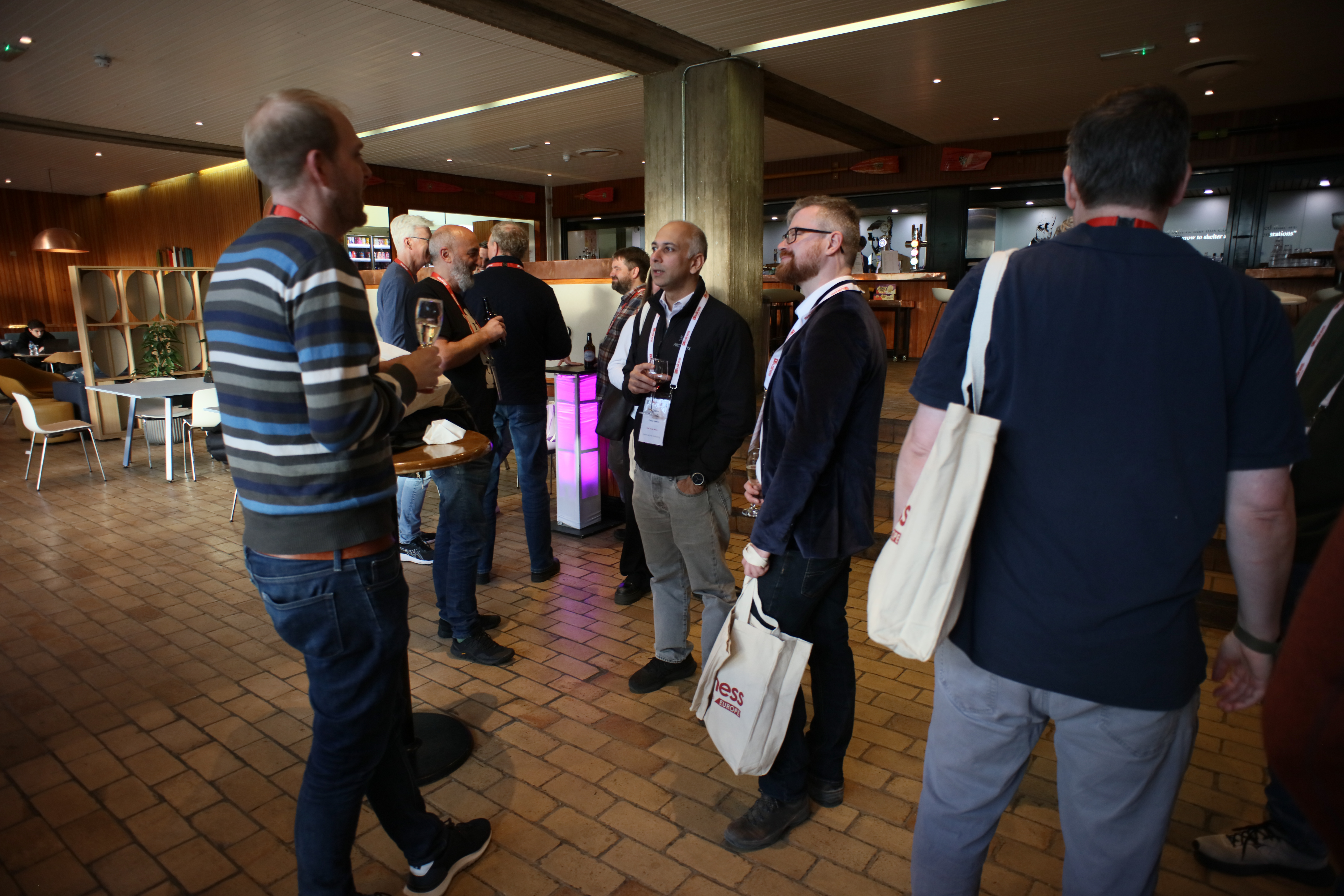
The Magic of BoS
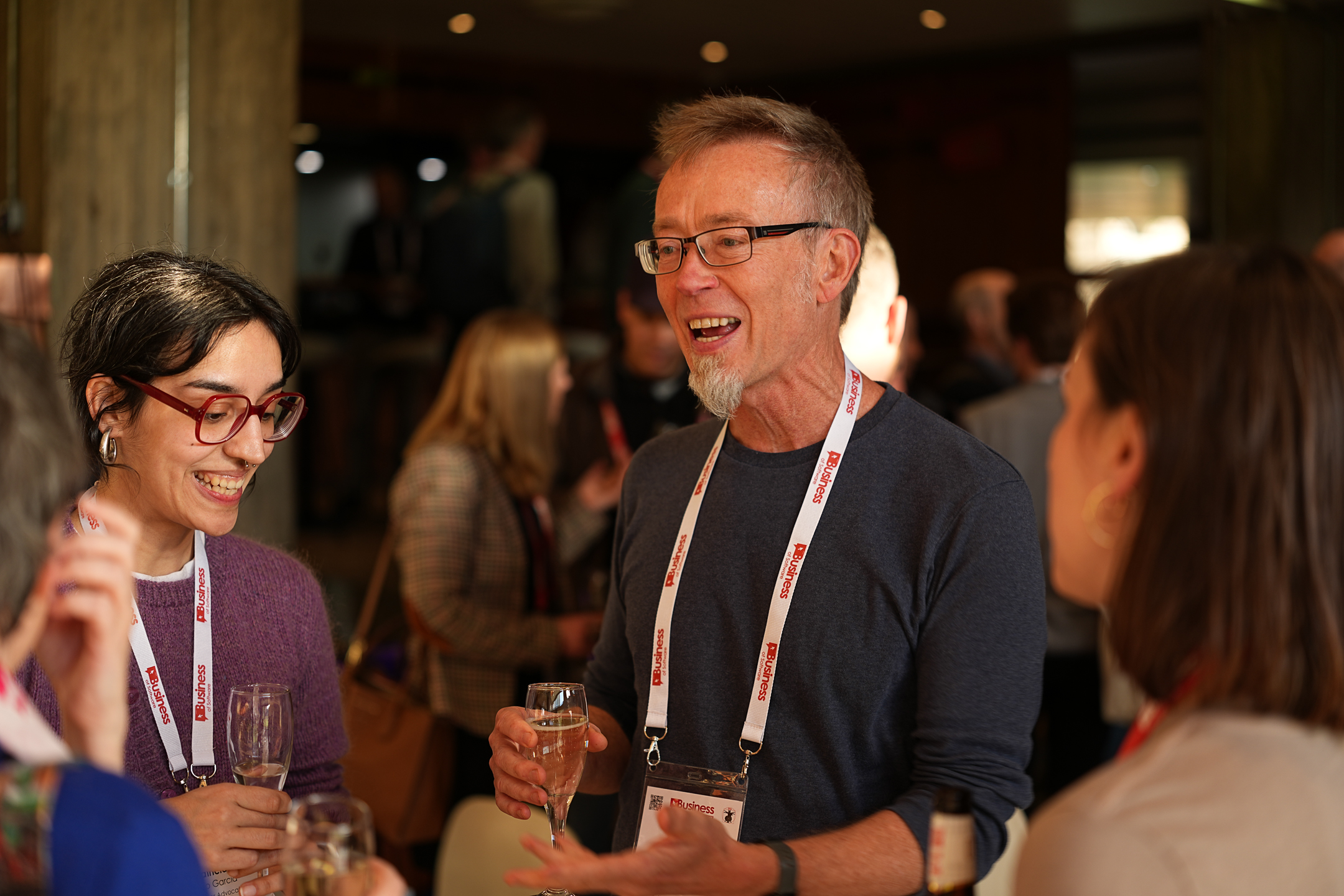
Every BoS conference brings exceptional content. But the real magic is harder to schedule. It’s in the Birds of a Feather tables at breakfast, the hallway conversations that run ten minutes over, the book corner, and the Local Corner table where someone’s brought biscuits from Edinburgh or chocolate from São Paulo.
It’s also in the smaller things: a Reese’s suit, a class photo, a free book that ends up dog-eared before you’ve even left Cambridge.
A massive thank you to our speakers for giving so generously of their time and thinking. And a special thank you to our conference supporters, without whom none of this would be possible.
See you next time.
BoS Europe 2026 Supporters
Quiet Light are a premium M&A advisory firm and long-standing BoS partner — and this year Christopher Moore brought their expertise directly to the stage with a Lightning Talk on acquisition pitfalls every founder should know about. If you’re thinking about buying or selling a software business, they’re the people to talk to.
BoS partners with a small number of companies we genuinely trust to help our attendees.
Learn more about supporting BoS.
Watch the Talks First
The talks from BoS Europe 2026 will be available soon… But the best way to get them first is to subscribe to the BoS newsletter.
You’ll get early access to every talk video, key insights from speakers, and exclusive resources to help you build a better business.
Next up
BoS OS is how founders harness AI to run their company, not as a chatbot, but as a system. See how it works →
Not sure which workshop is for you? Start with the stage that matches where you’re at.
Start here
Ready to build your foundation?
Have your basics running? Get going with confidence
Already running your OS? Put it to work
Further ahead