A candid conversation for founders who turned down the exit and now have to prove the business was worth keeping: on the debt-funded buyback, the equity program, and the cultural shift that took product releases from 12 a year to 130.
Chris Savage updates us on his journey steering a profitable, independent company through shifting markets and investor pressures. In 2022, Chris discussed why he had raised $17.9 million debt to buy his investors out. He believed the move would allow him to focus on building a long-term, profitable company with decisions no longer dominated by short-term numbers. How’d that work out?
Stepping away from outside capital unlocked freedom, alignment, and renewed innovation. The change in ownership, profit-sharing, and sharper strategic focus has fueled sustainable growth. Chris believes independence has been a competitive advantage.
Packed with real stories and practical takeaways, this session will inspire you to rethink scale, culture, and success. If you’re building software and want to grow on your own terms, this is a talk you won’t want to miss.
Find out more about BoS
Get details about our next conference, subscribe to our newsletter, and watch more of the great BoS Talks you hear so much about.
Transcript
Chris Savage: Okay, all right, perfect. Bye. Mark’s a little bit like an embarrassing dad, and I like that in the best possible way. Well, good to see you, everybody. So, super excited to be back here at BoS. First time I came to BoS I was 24 years old, came on a sponsored ticket that I think Dharmesh paid for. So, thank you, Dharmesh, and it’s always been a community that I’ve really valued, and mostly like the talks and stuff are great, but it’s like the time in between the talks, like getting to actually connect with other people, asking questions, getting real answers. I certainly got those the first time that we came, and I made decisions based on things that somebody told me, and it worked, so that’s awesome. So, we are here today, we’re doing something a little bit different, so not just to talk, more of like a fireside chat, and we’re going to be talking about how not to build for the next round of financing, so hope that works for you.
Chris Lavigne: It says building beyond the next, well,
Chris Savage: building beyond buildings. Yes, and we’ll get into why that is. And so, first, who am I? I’m Chris Savage, co-founder and CEO of Wistia. Wistia is a video platform for marketers. Our goal is just trying to make it easy for you to use video at work and get value out of video at work, so we started with hosting and analytics, marketing tools like lead capture and video stuff like that, and then in the last few years we’ve expanded to adding a full webinar platform, AI creation tools, and yeah, it’s like it’s been quite a journey, been doing it for 19 years, and today we thought it’d be cool to do this a little bit differently. So, this is Chris Lavigne. Hello,
Mark Littlewood: Chris. Hello. Hey,
Chris Lavigne: happy to be here.
Chris Savage: Chris has been here a long time.
Chris Lavigne: I have. I’ve been here 14 years. I keep thinking I’m gonna not be here, but then I still stay. It’s wild. It’s crazy. Yeah, I’ve been at Wistia for 14 years. I am an individual contributor at Wistia, so what that means, I’m not a manager, I’m more of a mentor. I like to think that I have a high impact on the business, but Wistia has been able to kind of decouple impact from management, which is sweet, because nobody wants me as a manager, but found out the hard way. Ask me about that later, but so I’m here to offer just an employee’s perspective on some of this stuff, and to try to get some gotcha questions in with Chris, because he doesn’t really know all the questions I’m going to ask him right now, but I thought it could be a fun way to keep it candid and hopefully maximize the impact for you guys.
Chris Savage: Awesome, so we’re going to talk about some of the biggest moments in our history and kind of our perspective on how we’ve gotten to where we are today, which is like we’re not your average tech company. And yeah, we’ll dig into this, and I’m going to hand it over to Chris, so he can actually surprise me with these questions, so I don’t know fully what’s coming, but we’ll see.
The offer they turned down
Chris Lavigne: All right. Well, okay. So let’s jump into the promise of the talk, which I saw in the materials, the marketing materials that Mark’s team put together, setting up this buyback, so it’s 2017, Wistia has now been in business for 11 years, and you guys turned down, you and your co-founder Brendan turned down a life-changing amount of money to not sell the business and instead raise $17 million in debt. You have to set this up for the audience here, because this is besides the founding of the company, this is the most pivotal moment in the business, and it’s partly why we were invited here to talk about it today.
Chris Savage: Yeah, so as you’re saying, we’re like 11 years into building Wistia, and it was like a lot going on, like we were shipping a lot of stuff, building a lot of stuff. I think it looked really, like, I think Wistia looked really good from the outside, but at that exact moment we had three different companies approach us, trying to buy the business, and you know, if you’re in SaaS, if you’re in software, like you see people poke around and ask these questions and stuff like that, and we’d always said no, like we have no interest in having those conversations, but this time we said yes, and we said yes to all three conversations. We got deep into the conversations, and we ended up with an offer to sell the company for a lot of money, never-have-to-work-again money, that was very close to the number we promised, I think, to like the early team we’d sell the business for.
Chris Lavigne: Yeah, and like, you had talked to me a little bit about this, and I was shaking you and Brendan, I was like, “You guys are crazy, what are you doing? Just sell the company. You’re just starting to… I don’t know, like, what the hell are you doing? This is… this is literally the pot of gold at the end of the rainbow here. This is the exit. This is the dream.” Yeah, and I had no idea why you guys wouldn’t. It still to this day doesn’t compute. It really doesn’t.
Chris Savage: Yeah. Well, it sometimes you gotta be a little crazy, but no, it’s funny. There was like, there was a moment when we had everything set together, like the deal is gonna happen, and Brendan and I were like, okay, are we going to do this or not? Like, what are we going to do, and what that led to is a conversation where we said, well, what will we do after we sell, and the leading potential acquirer had told us, they’re like, “You’re an entrepreneur, there’s no way you’re going to work here, like, we know you’re going to leave, like, you’re out of here,” so I believed them, and Brendan and I made a list, and we started making a list of all the things we would want to do after Wistia, and so it was like, okay, well, the two of us have like a unique partnership, my co-founder and I, so we’re like, we’d start another company together, and then we started saying, like, well, what space do we think is interesting, and at this point, we’ve been in business video for 11 years, we’re very early, but we’re like, you know, a lot of stuff is changing, this feels like a really exciting space, there’s all these things we want to do, like we’d probably go back into the business video space, of course, of course. And then we’re like, well, what type of brand would we build? We’d like, well, we’d build a really creative brand, a really fun brand. We’d focus on, like, small, medium-sized businesses, like, okay, soundly
Chris Lavigne: familiar.
Chris Savage: And then we’re like, who would we hire to help us do this? And we made a list of people, and they all worked at Wistia, and it was funny because it was in this moment we then looked at each other and we said, well, why are we considering selling if, like, if we sell the business, if all we do is rebuild it, then, like, what are we doing, and it was actually the first moment that we were able to admit to each other that we were actually both really unhappy, and we were making a lot of mistakes, we felt, in how we were running the business, we were running at quite a big loss, we were searching for growth at all costs, trying to make things work, and I mean, you remember this, this feeling,
Chris Lavigne: yep, yeah, that was, it’s the roller coaster, and that’s why I talked about, you know, when I was here, when we were talking about previously, like, I didn’t think there were times I was like, “Yeah, I think my watch is over here,” this is it. And we rode that roller coaster, that was a trough, it was, culturally, and there was, there was
Chris Savage: a lot of things happening inside the company that moment that, like, I would say didn’t really make sense. There was a lot of, like, basically people would say, like, “Hey, here’s a new idea of this sub-project we could do,” and I’m like, “Okay, that sounds good. How many people do you need to do it?” was often the question, like, “I need two people.” “Okay, let’s go hire two people to do that.” But up until, like, we’d kind of changed our mindset to this growth-at-all-costs mode, and before that, if a new idea came up, we wouldn’t just say let’s try to do it. We would say, well, is there something we’re doing we should stop doing? Like, is there something that we’re doing that, like, is actually really working? We should just do more of that. And we weren’t asking those basic questions, and so we end up with all these like zombie projects. I remember talking to you at some point, you’re like, “Why are we doing all of this? Like, what is this agency program thing?” And it was like, well, we said yes, because other companies did it. It was like, oh, we see another company doing it, it’s probably going to work for us too. So, really bad reason to do this. And so we kind of made this dark place, and then when we realized we don’t actually want that anymore, we want to fix it. It was incredibly empowering, and we decided that we would not sell the company, but then we’re like, what now? Like, what about the investments
Chris Lavigne: we had raised up at this point, what, like a million and a half, or 1.4 million?
Chris Savage: Yeah, from angel investors, and so we had, they wanted us to sell, like, I had sold to everybody, I had sold to the investors, and I had sold to you, I sold to the employees, like we’re going to sell this business someday. It’s going to be, it’s going to be a big number, because
Chris Lavigne: we all had a little bit of, we had some stock options and some equity. Everyone at Wistia, all the employees, exactly, equity at this point. So,
Chris Savage: when we realized we were not going to sell, we’re like, well, let’s try to actually realign the company. And so, what we ended up deciding to do was, we raised the debt round, we raised $17 million of debt, which effectively was like a big buyback, as if we had sold the company for almost the exact price we were getting from these potential acquirers, and then everyone could just make a choice, so the early investors could make a choice if they wanted to sell or not, like would they be okay with the second position, and the team also could make the choice and get the liquidity that we had promised would be available someday,
Chris Lavigne: yeah. And from my perspective, I don’t remember it as being a choice either for the employees. Oh no,
Chris Savage: it was a choice,
Chris Lavigne: was it?
Chris Savage: Yeah,
Chris Lavigne: that’s foggy. Fact check. I… Like we got to fact check on that, please. No, I remember, like, I didn’t really discuss with all of my fellow colleagues, but from our perspective, I took the cash.
Chris Savage: Yeah,
Chris Lavigne: all right. I took… So what was wild is we had just about everyone, I believe, you could correct me if I’m wrong, just about everyone at the company took cash.
Chris Savage: Most people did. Most people took
Chris Lavigne: cash. So we had a liquidity event, and nothing changed. If anything, the company got way better, which we’ll talk about.
Chris Savage: Yeah,
Chris Lavigne: so I got a little bit of money, not a life-changing amount, but really healthy, awesome. And now I don’t have to work for some other company that just came and acquired us, so it was like a win-win situation from the employee perspective too, and then it was totally an unlock, so for the business, as we get into, yeah, but like, so set this up for the crew here. Does that mean that, like, are you anti-funding? Then are you anti money? You raised your 1.4 million in angel money. No, I think that’s
Chris Savage: a really common question I get, is like, do you just again solve funding now? And I think the lesson for me was like, actually, the angel money we raised really worked in the sense that it made us more comfortable taking risk and trying to grow, and then we raised, I mean, the debt round to do the buyback, and that also really worked, and the way I look at it now is like the question you want to ask yourself is, are you raising money to serve growth, or are you raising money to search for growth. So, what I mean by that is, like, if you’re raising, if you don’t know how you’re going to grow yet, and you’re pre-product market fit, it might make sense to raise money, and that’s a place where you, because you can’t afford to do it otherwise, that’s a place where you’re going to want to use equity. You want someone who’s aligned with you long term, and in that case, you should probably raise the least amount of money you possibly can, because you’re taking dilution now, and you don’t know what you’re going to get on the other side, and that’s going to be the most expensive dilution you take. And then the other question is, if you’re raising money to serve growth, so when I say serve growth, I mean you actually know how to grow, like there are things you are doing that if you can do more of those things in a repeatable fashion, the business will grow further, and in that world the question is like how do you fund it, and there’s actually a lot of different ways to fund a business, like you can fund it with cash flow from customers, which is like, I remember the moment we got, we switched the default payment. This is all we did, is switch the default at Wistia to annual instead of monthly. You didn’t have to pick annual, but you could, and suddenly our cash flow changed tremendously, and we’re able to fund the growth right from customers. Well, we had to do right by them, and that’s what we were doing, is like building more stuff for the product and trying to make it better for them. But there’s funding models now where you can raise money that is purely around like sales and marketing. There’s the debt models, there’s lots of different ones, but I am not like super against it. I, but I think that you need to go in really eyes wide open as to like what you’re signing yourself up for, because even the debt deal we did is like not something that most people do, and it felt like a big deal in terms of like trying to realign the business, but I would have preferred to be in a situation where we didn’t have to do it that exact way, but
Chris Lavigne: yeah, so I remember a huge sense of pride in the company at this moment, and I shared, we wrote a blog post about the whole debt deal, and I shared that far and wide, I remember it as being like one of the biggest inflection points of my career, and like the most sense of pride I had in my company, because we were now unlocked to grow our own way, and so I want to shift into like basically I want to talk about the impact on the Wistia culture, and then also the impact on the product, and hopefully you all can glean some insight from what Chris has to say. So, on the culture side, okay, been here for 14 years, we’ve been working together for a very long time. Thank you for having me. Thanks so much, appreciate it. How did that happen? I don’t even know, it’s crazy. But what’s wild at Wistia, software company, we have a lot of tenured employees. Yeah, there’s a couple people that have been there longer than me. We have dozens of people that have celebrated 10 year anniversaries. This is constantly something that I talk to with new hires. They’re like, this is clearly a special place because of the tenure, and it’s not on accident. So, how are you and Brendan making the decisions, but what are you doing behind the scenes to set up a company that has tenure like this?
Culture, and the hiring pendulum
Chris Savage: Yeah, I mean, I think, this is a hard question to answer, but it’s because it’s hard to know exactly why everyone makes their decisions, but I think the thing that I go to is it took us a lot longer to get traction in the beginning than we thought it would, when we were, it was, we were five years into the business, and there was five people on the team, which is not what I imagined a startup would be, right? Like, I thought we were going to grow way faster or have flamed out. I did not predict this scenario, and in that fifth year is when things really connected, like we had the right place, this model, we had the right product, we had the right way of getting to market, and there’s just this tiny group of people sitting around next to us, and we all loved working together so much, and we just kept saying, like, it’s so hard to predict when things happen, but if you love what you’re doing when you do it, it’s much easier to keep going, and you don’t have to worry about that prediction, and so we started talking about culture really early, and it was something that just seemed really important, which was basically like, what are the vibes like? Like, do you actually not just want to work with this person, but you want to spend time with them? And when you joined, which is, I think, like your year or two after that, yeah, that was what was happening. It was like, hey, we all hang out and we have dinner together, and everyone’s like, boyfriends and girlfriends are hanging out, or hang out on the weekend, it was kind of intense. It was a lot, but I think it was, I remember just looking back, thinking it was like every time we hired somebody, I was kind of afraid. What if? What if they screw it up? What if we screwed up by getting somebody who doesn’t actually match with the culture, and so we were so judicious with bringing people on, but what that meant was like it was like the culture was so strong when you were in it.
Chris Lavigne: Yeah, but I, and culture isn’t just ping pong tables and like Nerf guns. I’ll never forget, before I went to Wistia, I was making, I was a freelance video producer, and oh, by the way, I’m the head of production, I make videos at Wistia. I meant to talk about that before, but I would literally, went to a shoot in San Francisco, and the head of marketing brought a bag of Nerf guns and threw them at the engineers, like, “Hey, go pretend like we have fun here for the video guy.” Culture, culture rules, and so that’s not necessarily what we’re talking about. It’s developing relationship with your colleagues that allow for like radical candor, yeah, super open and honest feedback, and being able to let it rip, but speaking to what you were just saying about like, you know, taking your time being very intentional with the hiring process, I have lived through multiple hiring cultures at Wistia, yeah, where it’s like we swing the pendulum, so we were one way, we’re like going really methodical, judicious, nice word, then we swung the other way,
Chris Savage: which was like right before the buyback, when that swing started, so
Chris Lavigne: talk to me about like some of the folly there, yeah, what we learned, yeah,
Chris Savage: I mean, I think we were, we were basically hiring people who we thought could do the job and had the experience we’re looking for over a lot of the other things, like over, I would say, like the intrinsic motivation, right? Like, I think about that a lot, like there’s this great book, Drive, by Dan Pink, which was very influential for me in the early days, which is basically like people, intrinsic motivation is more powerful than extrinsic, so like coming from yourself is more powerful than coming from others or from an outside force, and but to have the intrinsic motivation, you want autonomy over your work, and you want mastery, and you basically, you have all the elements you need to feel like I’m getting better at what I do, and I like getting better at what I do, and these other people are here too, and they’re doing the same thing, and so the feel of the work is like really good, and I think there was a moment when we swung the hiring culture the wrong direction, and it was just too many people who weren’t actually there for those reasons, like they weren’t there actually to grow themselves and grow the company, they were there for like, you know, a short stint before they thought, you know, they’re gonna do their two years before they go somewhere else, yeah,
Chris Lavigne: and they were throwing the playbook at it too, that was
Chris Savage: a lot. That was actually probably the most problematic part, right? Just throwing
Chris Lavigne: the previous playbook at it, even thinking we
Chris Savage: could throw a playbook, right? Because a lot of times we’re like, “Oh, we need someone to do this, so they can bring that playbook in, and we’ll get the playbook to work.” And the truth is that almost never works in a remarkable way. It can work, but it’s like almost never do you end up with like a remarkable world-class result with someone else’s playbook. It doesn’t mean you can’t bring playbooks in, or people that do that. I think we hire lots of people who actually have had all those things. It’s just trying to attack the problems we’re solving today with first principles, and like, if we can do that with someone, with a group of people who really care, then you end up doing
Chris Lavigne: remarkable things, so some of the other culture unlocks too are around risk, taking risks, yeah, and so I remember we took the cash, did the buyback, we made our, we put our flag in the ground, it was like we now we are going to run a profitable business, and profitability was like super important at this point too, and so we had pre-buyback a plan for a branded piece of content that you know I was going to run, which was called 1-10-100, and this was an experiment where we were going to give a production agency in Los Angeles $1,000, $10,000, and $100,000 to make the same ad three times, and we, you know, we were doing this because the previous year we had spent a million dollars on an ad campaign that didn’t work, so we’re like, oh, this is kind of funny money, we can, we can try to do stuff like this, but so this $111,000, and we’re gonna make a little documentary about it, and we want, at the end of the day, we’d have some ads to mess around with for our product, but now in this new world, it’s like, whoa, this isn’t funny money anymore. Like, this is real. We have debt covenants, we can’t, we can’t mess this up. I literally tried to talk you out of doing this project, and that was, so I came to you, I was like, “Hey, are you sure we’re gonna write a check for 111 grand, I’m going to go off and do like this crazy piece of branded content for the next few months,” which ended up being like almost half a year. How did you talk me out of that? Honestly, I don’t even actually remember what exactly you said to me, but like, and you can anecdotally talk about like kind of the risks that this was able to unlock for
Chris Savage: us. Yeah, so I think it was like, so that was after we’d done the buyback, and we had told the company, like, remember, we brought everybody on the journey, we’re gonna do this thing. Yeah, so it’s like, we’ve decided not to sell, and everyone’s like, well, what does that mean? We’re like, we don’t know, and then we found our way, like, we’re gonna do this debt-funded buyback, and they’re like, “What the hell is this,” which scared a lot of people, but it ultimately like aligned us tremendously, like there was no layoff at that moment. It was just like there were people who were like, they got their paycheck and left, and then there’s a lot of people who were like, “I want to be here for this, like, I want to be here for the creative approach.” And we had already started to become profitable, I think, if I remember correctly. And the switch was like pretty shocking in hindsight, how quickly it happened, where we told everybody, hey, we’re gonna do this debt, we have to be profitable now, and I’ll never forget, I know this is like kind of doing the weave, but bring it in, yeah, but I remember telling people about the buyback, and at the next all hands meeting, we were showing the finances, and previously there was like no questions at all about how the finances are doing, and this time everyone’s like put their hands up, and one of the people who asked the question was on the infrastructure engineer, and he said, “Hey, can I take three weeks? I think I can get us like three points of gross margin.” And so he went back and changed some stuff, and he did. He got three points of gross margin.
Chris Lavigne: Yeah, way down, yeah.
Chris Savage: And so suddenly, like, the path back to profitability was starting to happen, so I had so much confidence that this focus was working. It felt so, like I was sleeping really well, even though we were still digging out of this problem. We just signed up for like $17 million of debt. Yeah, so I remember we were talking to you, I was so confident in the direction that it was like, well, this was the whole point. Like, the whole point was every time we were profitable, we could actually have an easy time doing long-term things like this, yeah, which was like the branded content thing was like, okay, it’s crazy, we’re gonna spend this money on the ad, we’re gonna do the trick, we’re gonna make the documentary, but then there’s a lot of other ways it could work, it’s like there’s the trailer, why does the trailer matter? Well, a SaaS company is gonna have made a documentary, we’re gonna send the trailer out, and there’s the paid ads for the trailer, and there was like the learning and development on this, and there was like 10 different ways that this project could work, and so it actually was pretty easy to say yes to it once I saw us on the path to being profitable in a way that was like almost impossible to say yes to in the old world. Yeah, and of course like it also worked, ended up working tremendously well because we’re patient, I think, but if we had rushed any of those things, we had sacrificed like quality. I don’t think it would have paid off. I don’t think it would have
Chris Lavigne: worked. All right. And before we move on to our product, I have to also talk about the fact that, so we had the liquidity event, now nobody really has skin in the game. Everyone’s thinking about keeping their job and thinking about
Chris Savage: profit sharing.
Chris Lavigne: We’re doing, it’s a
Chris Savage: different thing,
Chris Lavigne: but so now you reintroduced an equity program.
Chris Savage: Yeah,
Chris Lavigne: what, like five years, four or five years after that buyback?
Chris Savage: Yeah,
Chris Lavigne: and when you reintroduced this, I remember, like, we’re in, I might have been during COVID, and I like kind of went off mic,
Chris Savage: yeah,
Chris Lavigne: and I just like doubled down on everybody, like I was like, “Hey, as a reminder, like, you literally, you and Brendan literally took money out of your pockets, so to speak, to carve out and reintroduce this equity program,” and it was an extremely generous thing, but it had to be tactical, there had to be a reason, like, for me, my, from my perspective, it’s like, “Hell yeah, now I have skin in the game again, like it worked once before.” Yeah, like profit sharing is one thing, skin in the game with equity, it’s way different. So, what made you guys do that?
Chris Savage: Yeah, well, so it was really like COVID. It was during, it was right after COVID, like 2020, late 2021 I think, and the reason was COVID happened, and that changed Wistia tremendously. So, like, pre-COVID, we still were very much like a hosting-and-analytics-and-management platform, and then the big thing that we realized in COVID was people now see their computer as a camera, and so everyone really can make video, and our customers, we talked to hundreds and hundreds of customers about what they wanted from us, and they wanted us to broaden the platform of what we do, like a lot, and so we’re looking at that. To me, it felt like it changed our market to being early stage again, and in an early stage market, like people should have skin in the game. And it’s funny because you’re not mentioning this part, but like we actually said if we sold the business when there was no equity firm, we’d still take like part of the business and give it to everybody, and we’re thinking about in our minds, no one else was thinking about that. And so that was when we realized we should reintroduce the equity program, we should be clear that there is going to be that upside, and but then what’s the liquidity path going to be was the obvious question, because we did the buyback, we just did all the stuff to be independent, and so what we told everybody was like, look, we’re not building the business to sell it today, we’re not building the business to get the next round, but like, if acquirers come and it’s the right fit, like, we’ll look at it, we’ll talk to them, but private companies can find other ways of getting liquidity for people, like buybacks. We did it before, we could do that. We actually did that again this year, an optional buyback for people as a way to get liquidity. So, I think it was like maturing and understanding the combination of things we could put together, at least from my perspective, of like the market’s actually early stage, there’s a difference, there’s a difference with having equity, we can get people liquidity by doing these like secondary rounds. So, let’s put that all together and make that a thing.
Chris Lavigne: All right, so we did the buyback. We got a lot of things right. We had liquidity, we had independence, we had long-term freedom to grow our own way, do what we wanted to do. But then the product actually kind of stalled. We were like pixel pushing the product, we’re focusing on growth and not… whoa, yeah, I’m letting it rip. This was it. This was a little bit of an aggravating time for me. We had a super slow shipping process. I wasn’t making videos about product releases or product updates because we weren’t really doing much of anything in terms of the product, that has since changed. But what actually, what was the forcing function that changed that, because yeah, it’s very, very different.
The product stall
Chris Savage: Yes, so we, you know, we did the buyback, we had to be profitable, and so you have to have the profit to be able to pay for the debt, and there’s like these covenants on a debt deal that there’s like a leverage ratio, so it’s like how much debt to profit do you actually have? So we’re managing the business that way, and the business’s revenue is still like growing solidly, and we’re building a lot of profit, and we’re trying to stop, ship stuff on product, but it felt like at that moment there was a lot of like go-to-market changes we needed to make, we were like building sales again, we were changing how success works, all these things, then COVID happens, and our market feels early stage again, and we started to, we’re like, whoa, like there was a moment here where we can make a huge shift, and to make that huge shift, we have to have a tremendous investment in the product, and so I think it was 2021, right? We went from like 50 people in product and engineering to 100 people in one year, all funded by ourselves. So, what it meant is we’re going to trade the short-term profit for like long-term value, and we hired all these people. I was really excited that all the plans were like, okay, we’re going to, we’re going to make this new video editor, we’re going to make this webinar platform, we’re gonna do all these things, and then we’re still slow, and it was very, very, very painful, and I remember, like, I think October of ’22, maybe, yeah, that we were looking at this, we’re like, we have 100 people, we have teams on every part of the product, why are they going so slowly? And then we decided to question, like, what if it’s us, like, what if we’ve actually created a cultural issue that is stopping us from being able to actually ship quickly, and so we looked at all the things we’re doing, we had dedicated teams, now we had plans, we also had these reviews where we were going through, like, hey, what should your roadmap be for the next few months? And before these reviews, I would look through all the plans, and I’d think to myself, what’s the hardest question I can ask that other people aren’t thinking about that’s going to help us end up with better plans? Like, it was very much a moment of, like, the secret is better plans, the secret is better plans, and I think what we started to wonder was maybe happening was like, are people actually changing how they’re prioritizing the work, because our cultural process for reviewing the work is all about like having great plans that don’t have a lot of risk.
Chris Lavigne: Yeah, at this point I remember, like, I refer to at Wistia, you’re either a maker or a requester. We have lots of requesters, and usually the requesters are product managers or basically product managers, but like marketing managers, they are the most organized people, so. So at this stage in Wistia, the most organized person would win. Yeah, if you could put together the best deck, the best Quip doc, because we were using Quip back in the day, like where the business was prioritizing organization and communication over actually doing stuff.
The fix: pace of improvement
Chris Savage: Yes. And so what we ended up telling everybody was the most important thing, we’re gonna make a big shift. We’re gonna make a big cultural shift. The most important thing is pace of improvement, and if you’re getting better, like 1% a week, you are, exponential growth is in front of you, and if you are getting worse, it’s the opposite. It’s a bad place. And we said you’re gonna, every team is gonna own their own product roadmap. We will give you advice and influence it. Like, think of us as ICs, like trying to do this. Don’t just do what we say, you have the freedom, but you’ll be judged on actually just shipping customer value every two weeks. That’s the most important thing you could possibly do. Ship customer value every two weeks, own your own roadmaps. It doesn’t have to be about the most researched thing at the top, be the most impactful thing at the top. And there was one, there’s one product team I remember, they told us we wanted to add tagging into the product, so tagging, you know, tagging is, this is the product marketing tag. The video before this, they had given us a roadmap that said it’s gonna take six months for tagging, which I don’t know what that sounds like. At the time, we’re like, six months isn’t so bad, because this is slow, and we made this cultural shift, and they got it out the door in two weeks, and we’re like, wait, what, and then it was like, but then we had 13 product teams, so that was the only thing that got out the door, and so then more and more stuff started to go, and the avalanche started to change, and I think, like, yeah, it was like the beginning of the mode we’re in now, where we went, I think that year we did 12 product updates we told customers about, and the year after, we did 70. The year after that, we did 130. Those were the same team size, and this year we’re on track to do more than that.
Chris Lavigne: So, can you attribute that back to how do you attribute where? Like, what’s the… what is the inflection point where that changed? Like,
Chris Savage: it was… it was permission to have like this cultural shift that effectively made every team kind of like the startup that Wistia was when we were 10 people,
Chris Lavigne: because you’re not, we weren’t, we weren’t tasking people with, like, you have to work 16 hours now, no,
Chris Savage: no, people were, I think, a lot of the time it was like stuff that was like you would talk to 10 customers or five customers and they would tell you they wanted something, like, and you had a vision for how to do it. It actually probably wasn’t even that hard to build, like this sounds good, but it wasn’t like researched enough. Yeah, like it hadn’t, like you hadn’t done all these surveys and proven how valuable this thing was, because in the old world, when we were shipping stuff, was always like foundational proven things, and it was just flipping it and building up the instincts of every team, and it wasn’t that every team instantly got fast, it was that the team started to get faster, and I think we saw a different thing occur too, which is really convinced me of this, which is now when you have, like, I’m very confident, you can take a dedicated team, a team that’s mostly the same people, yes, you have to pay close attention to execution and stuff like that, but if you put them on a problem and they own the customer problem, like I’m going to help customers edit this video as fast as I can, almost always with enough time they can break through and they can make it work. The interesting thing is that if they break through and build the confidence to make it work, usually the next breakthrough is a lot sooner than the first, and we’ve seen that over and over and over again. At this point, where, like, some teams were really fast at doing that, the first breakthrough, some teams were kind of slow. I don’t really want to say the actual teams, like in this setting, but, like, there are ones that I can think of that took a year and a half, and now they’re shipping incredible stuff all the time, and I think it’s like they built up their instinct on that part of the customer problem, and then the instinct with each other to work really well together.
Chris Lavigne: So, what’s the guidance here before we move into our last section here? Like, what’s the guidance to everyone in the room on like patience on patience versus progress, or like moving fast versus when you can actually be patient on something? Like, what do you have to say about that? I think, yeah,
Chris Savage: I think you need to pick problems you can be patient on in the long term, like big problems that you believe will continue to exist, that will continue to be valuable, and you have to be incredibly impatient in the short term, but the only way is to get the team that’s working on that, if you’re on that team yourself, great, but like the team that’s working on that to have the freedom to ship quickly and to pivot and to change, because too much coordination, like the tax of the communication, the coordination stuff is so high, that like, you can have everything be perfect, and everything’s fit, it’s all in its nice little boxes and plans of Gantt charts, but the other side of that is just incredibly hard to go really, really fast, unless you have like a massive team, and so I think this other way is just like, all right, we believe this, the customer problem that’s gonna be worth solving for the next five to 10 years, we then, the question is, like, do we think we have the right team on it, and if we do, then you have to trust them to ship, and you kind of can tell from that. I mean, it’s basically like figuring out what are the right inputs that you think are the best proxy for the outcome, and those right inputs will change, but in software, at least, it seems to be mostly like speed of shipping things to the customer base, that was
Mark Littlewood: great.
Chris Savage: Thanks so much. Yeah, really appreciate that. Yeah,
Chris Lavigne: all right. Before we get into the Q&A, you mentioned you were hanging out with Mark when you were 24, sponsored ticket here, you’re now much older than 24, I can see in your face.
Chris Savage: Thanks so much, Agent Grace Lee. Yeah,
Chris Lavigne: sure. This is how we talk. What do you wish you knew then that you know now? I know you had a couple things that you wished you could have imparted on young me of 24. Yes, you of 24, yeah,
What I wish I knew at 24
Chris Savage: I think that’s a really good question. I think the first thing that comes to mind is that I think most people overestimate how quickly things will take and they underestimate how far they can take them, so what I mean by that is like it’s really easy to convince yourself, like, oh, if I just give this six months, it’s gonna work. And when we started Wistia, we thought it was gonna be a six month thing, literally, like we thought we would know literally in six months if we had done it, and then we would just sell the company if we had done it, or we just failed, and I just feel like I’ve learned this lesson too many times. It’s just like, yeah, this, is it a good idea? Is it a good market? Like, is that where the tech and trends are going? Like, yeah, you might be right, but like, how long does it actually take there? It’s a lot harder, usually, to actually break through. Is that first part of that? But then, if you actually can break through, it’s unbelievable how far you can take these things in a world that is online, like it’s, we just underestimate how big the world is and how many people there are out there, and I feel like that’s like another lesson, like I’ve seen too many founders, like honestly, like sabotage themselves because of this, like I can think of a founder who got to 3 million in revenue with like a pretty amazing product, and he couldn’t believe that he could get to 10, and it’s like, well, the way to get to 10 was to keep doing what got him to three, like that was that simple. And in our journey, I think there’s a lot of stuff we did early, like on the brand and content side, where we just trust ourselves, we’re wildly creative, we convinced ourselves that that wouldn’t scale, did a bunch of other stuff, and then eventually just came back to it, and it continued to work. Yeah, so that’s, I just think, like, yeah, it’s that just that we overestimate on the finding the traction part, and like, give yourself, that’s why you have to give yourself the patience to actually do
Chris Lavigne: it. Yeah, yeah. All right, give me one other thing. Give me another piece of wisdom that you wish you had?
Chris Savage: Yeah, I mean, I think another one I think about, obviously, is talent, and we talked about this like a lot just now, but one thing I think is it took me a long time to see, is it is very hard to hire a world class team, it is much easier to build a world-class team. What I mean by this is, you know, you see some company, great company, let’s pick OpenAI. We know OpenAI, and you start trying to poach people from OpenAI, and if you could do that, you’re like, “Hey, do the thing you did at OpenAI with me, like, come over here and do it with me.” Like, you did that, that’s great. The issue is that, like, it is almost always impossible to get the person who is actually the driving force behind whatever was working, and so you end up getting people who aren’t necessarily world-class. They may be around the world-class thing, not saying you shouldn’t hire from OpenAI, you always should go for it, but I think that, like, if you need a world-class team to compete, which I would say, if we’re trying to do great things, we mostly do, you have to actually build the team, which means taking risks on people, hiring people who have, like, a high growth trajectory, maybe they’ve done the thing before, maybe they have not, but let them, like, grow and change, and, like, it means that not everything works out, but the result is when you actually can get things working, you could end up having this incredible team of A players, which I feel like we have, and the team we have is unbelievable today, and almost every single person who you’d go around and be like, this person’s unbelievable, like it’s, they haven’t done awesome things outside of Wistia. It’s just that their world-class state has been at Wistia.
Chris Lavigne: Yeah, yeah, that feeling is palpable. It’s why, like, people are sticking around. We’re not sticking around because it’s fad happy. We’re sticking around to, like, make cool stuff and get stuff done. And excuse me. And yeah, I just want to work around people that kick ass, too. So, I mean, that’s, I’m trying to think. Any other gotcha questions I should get you on right now?
Chris Savage: You can try. Which pepper will I have? I don’t know. Which one will you have?
Chris Lavigne: I’m not having a pepper. I had a bad pepper experience before a flight. I know better. I saw Mark. Mark was dancing around out there.
Chris Savage: True to questions? Do we have time? Yeah. Okay. Okay.
Mark Littlewood: Tough audience, right? Who’s got questions? Let’s get one. Who’s got the mic? Let’s go. Yeah.
Q&A
Dominick Reed: Hey, Dominic. Yes. Thank you. Great discussion. I have actually two questions. The part which really resonated with me was the part about giving teams the freedom on the roadmaps and stuff like that. So, first question, did you give the teams any guidance how to actually measure the impact or the outcomes? Yeah, or did you let that on them?
Chris Savage: Great question. Yeah, so we have OKRs at Wistia. We spent a few years trying to dial in how they’re actually set, and that is one of the key things that we give them, is like, hey, this is an OKR that we think is the best proxy for delivering customer value. You’re going to own it, and, like, as I was saying before, like, these things are imperfect. There’s a lot of, like, messaging around this stuff, because you know, one of the other challenges you can have is like, if people see that they must hit the OKR, at least in our experience, then sometimes they actually won’t take the correct risks, you know, they’ll worry too much about the short term and not enough about the long term. So, the most important thing we said was it’s the pace of improvement, and we believe the best way to get to the pace of improvement is by shipping customer value every two weeks, and then yes, there are OKRs, and we do have like a lot of strategy that is communicated well internally, so it’s pretty clear who our customer is, what we’re trying to do for them, what we’re trying to provide for them. We’ve put like a huge amount of effort into that, and when we learn stuff, which we do, and the perspective changes, we tell people, and you actually see pretty quickly the decisions start changing if we adjust our ICP, for example.
Dominick Reed: Okay. Thank you. Great. So, the second question, I assume you have, like, one product, right? Like, you don’t have multiple products.
Chris Savage: We have effectively multiple products on one platform, so, okay, all the products integrate really tightly with each other. That was like part of the reason why we did it, is that our customers were telling us they’re using like 15 different tools, like they’re using a webinar, and then they’re downloading it, they’re exporting it, they’re editing something, then they’re uploading it to us, they’re publishing, so it’s all in one in that sense, but it’s effectively, I think of it as like three products in whole. There’s like a webinar piece, there’s a hosting and marketing piece, and then there’s the creation stuff.
Dominick Reed: Yeah, so, so then the product teams are basically structured like in these, like you have the product team for the webinar. Is there anybody who then owns the entire thing and makes sure, like, you know, to make sure that the platform really works like seamlessly together.
Chris Savage: That’s right. So we have a product leadership team that is like my co-founder, who’s our CTO, our head of design, head of product, head of product marketing, a few other people who are in there, a head of engineering, and they’re helping to solve that problem, so like, how, because that’s exactly what happens, that each product is shipping by themselves, but there often are certain things that are tremendously valuable if things are connected, interconnected, yes, so they’re pushing on that exact thing, and they’re putting their thumb on the scale to try to change, excuse me, roadmaps around that, and the other thing that they’re doing is that’s the group that’s helping with execution on every product team, so I said before, like every time you change a team, oh, I didn’t say this part, every time you change a team, they have to reform, which then means they have to restorm, and then they have to norm around their way to work, and then they can eventually perform, so if you’re constantly changing teams, you’re resetting the cycle all the time. That product leadership team, or we call it PLT, basically they’re talking about how the teams are executing all the time and giving them feedback and pushing on that piece. So it’s really about, like, are you still shipping, are you shipping good stuff every two weeks, that type of thing. Do you have the mix of people you need? Here, but hopefully that answers, I could obviously go on, but
Mark Littlewood: I’ll stop, Bron.
Audience Member: I also have two questions, which are very closely related and on the same topic, because that is the really interesting bit of all of this. I think, are
Mark Littlewood: you going to get them both out in one go?
Audience Member: I will get them both out in one go. The first question is, how did you let go, allow yourselves to let go, to let the teams make their own decisions rather than having oversight on it, and the second question is, how did the teams get to trust that that’s actually what you were doing, and that you wouldn’t swoop in?
Chris Savage: That’s a good question. Well, the first thing I’ll say is, I think we had, like, burned some trust before, where people thought basically the only way we could get big things done in the old way was by being really influential and saying this is exactly what I think we should build, which honestly had worked for a long time, and that’s why we did that. That had been the first part of Wistia, had been like that, and we just kept doing stuff where we told them what to do, and it would work, and so we thought that was the right way. The thing that changed it was running out of excuses. So when we hired all those people, we ran out of, we’d always had this like, I think if Chris had said to me, “We’re not shipping enough,” I’d be like, before this all happened, I would have said, “We’re understaffed.” That was my stock answer, but then once we hired all those people, that stock answer went away. There’s like no way that that was the truth anymore. And so we just literally tell people, like, hey, you own this thing, but remember there are a bunch of experts, like in this company, about this customer and about these ways of working, and those experts are going to give you their input all the time. You don’t have to take it, but if they’re given the input and you don’t, you actively, proactively don’t take it for some reason, that might be an issue, or it might be that that person’s off, whatever. What is it? It was more contentious right when we made the change. Now I would say is like no drama at all, and it’s great. And the funny thing is, like, I use our products today way more than I used the Wistia of 2019. I am in Wistia every single day, I’m recording videos, doing group videos, I’m editing, I’m doing all this stuff, so that means I’m giving feedback to the teams every day. And we do that all in public Slack channels, so everyone can see everything. We’re trying to normalize by doing this like that you can jump into any channel, see what’s going on, but also anyone can feel comfortable giving feedback in the open, and so it’s the radical candor piece, and so that is actually what one of the things we expect of the leaders is like they’re going to use the products and they’re going to share their feedback openly, and that’s not a judgment of the people, it’s just a reality of where we are, but
Chris Lavigne: that’s also a cultural thing that you guys set up too, where it’s not a top down decree, every piece of feedback that you give isn’t a top down decree. Yes, like you know, there are different feedback weighted different ways at Wistia. Yeah, and then there are also some times where I’ll be like, hey, like, flex on this, this is a big thing, yeah. Where you can also weight your own feedback a little bit more, but more times than not, like everyone’s on the same team, everyone knows we’re on the same team. This is a cultural thing, yeah, that like we’re working in the open, you’re gonna get feedback from people across the company, including the co-founders, but that doesn’t mean that it’s the decree from which
Chris Savage: we try to say if it’s the decree, like I don’t think I’ve done a decree on the product this year, but my co-founder has done, like,
Chris Lavigne: you should do,
Chris Savage: I’ll do one tomorrow, but like I think it’s like it’ll like he’ll be like, hey, I think this is one of those things, and he’ll go do it, but it’s the exceptions, not the rule, and people understand that, so yeah, it works,
Audience Member: building the trust is the
Chris Savage: it’s all about the trust. When you have high trust, all of this works well. If you don’t, it doesn’t
Mark Littlewood: Brian at the back. Welcome.
Audience Member (Brian): Hey Chris, first of all, great presentation. I’ve used Wistia forever. Fantastic product. So, thank you to the team for making it. Thank
Chris Savage: you.
Audience Member (Brian): One question I had, I’ve always wanted to implement an equity program as well in my own businesses, and I’ve always run into issues, and I’m sure a lot of folks in the room can agree, the people sometimes they get in the way, nefarious kind of intentions. What kind of circuit breakers did you guys put into your equity program to ensure the fact that these folks that are working with you are producing at a high velocity, high quality, and not suddenly reverting to the mean, if you will, to do the bare minimum to maintain the equity, not get fired, all that kind of good stuff.
Chris Savage: Yeah, so I mean it’s kind of two things I would say, or three, that I’ll be quick. The first one is like, you know, vesting, so like making sure there’s vesting, so there’s like a one year cliff. We also really try to take care of people who are long tenured, so if we believe if you get, if you stay with Wistia, you should be really good, and that’s because we actually have like a lot of very strong performance management things that we do, so you know, we do feedback all the time. It is like, where you know, the culture shows up, how your performance shows up. Everybody hears from everybody’s manager on this. We have like clear levels inside the company, clear guidance on what it takes to get to the next level. Like, we’ve invested a lot into performance, and so my take is that, like, most people who are here should be really great, and should be executing all the time, and like, the equity isn’t really the solution, it’s like the performance management stuff, and yeah, I mean, I don’t know if you have something you’d add on this, but that’s, that’s, that’s how that has worked quite well for us,
Chris Lavigne: I mean, this may be getting too in there, but like, I’ve been here for 14 years. My salary can only grow so much at this point, so like reintroducing the equity program to me felt like I had plateaued salary-wise. Like, the equity program made me extremely happy, and now that’s also like a carrot, like in the best possible sense, for me to just keep performing at as high a level as I can, because, a, I also believe in the company, so if the company sucks, like, maybe that’s not as much of a carrot as the founder might think, but I believe in our company, I get rewarded with some equity over salary, that’s like amazing to me, and the vesting, you know, like, we use Carta for our vesting stuff, so I get emails from Carta. It’s like, hey, you’ve just hit another vesting period. It’s like those reminders are like good little triggers for me to be like, yeah, this is a really special place, and yeah, I do want to keep bringing it every day.
Chris Savage: And it’s also like, so I mentioned before, we did the big buyback with debt, and then this year we did another one, and I think that was like another key piece of, you don’t have to do this, but like, here’s the business, if you want to, you can get some liquidity along the way, which I think is just like another way of, we’re in the position that we can actually do that, but people can see that there is value in this, right, so it’s like this balancing act, obviously, but I just think there’s more tools that exist than would be obvious at first blush, basically, for how you can put something together like this. Also,
Chris Lavigne: just last thing I’ll say on this is, like, from an employee perspective, like, it’s a good reinforcement to have an equity program, to know that everyone literally is on the same team here, because sometimes, like, interpersonal stuff will come up, and you’re, you know, butting heads with somebody else, everyone is on the same team here, that is a healthy reminder. You have equity, you have equity, you have equity, like we’re all building this thing together. So that was like, I don’t know, that was kind of an unintended side effect of the liquidity program, or the equity program again.
Mark Littlewood: Thank you. What very random general piece of advice would you leave entrepreneurs with, baked beans or family?
Chris Savage: Both. Baked beans with family.
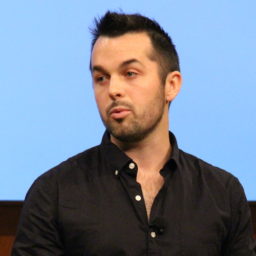
Chris Savage
Chris Savage is CEO & co-founder of Wistia, the best video hosting platform we know. (BoS opinion, not Press Release).
Armed only with a degree in Art-Semiotics and his experience editing and producing an Emmy Award winning documentary as a recent college grad, Chris and co-founder, Brendan Schwartz, started Wistia in 2006. They raised some angel funding in the early days and since then, have consciously grown a profitable, long term, business that customers and employees love. Wistia now employs over 100 people in its Boston HQ and is focused on building a business for the long term.

Chris Lavigne
Chris Lavigne is the director of video production at Wistia, where he’s been making videos since 2011. He coined the term “lighting on the fly” and believes great video is less about fancy cameras and more about the idea, the approach, and helping people feel comfortable on screen.
Chris is always testing new tools and workflows, from AI-driven experiments to remote and hybrid production setups, all with the goal of making video creation easier and more human. He thrives on turning constraints into creativity and finding ways to make even “boring” industries fun on video.
When he’s not holding a camera, you can usually find him driving a backhoe, quoting lines from Jurassic Park, or hanging out with his dog, Lenny.
Next up
BoS OS is how founders harness AI to run their company, not as a chatbot, but as a system. See how it works →
Not sure which workshop is for you? Start with the stage that matches where you’re at.
Start here
Ready to build your foundation?
Have your basics running? Get going with confidence
Already running your OS? Put it to work
Further ahead