Every SaaS founder hits the same wall eventually. Growth is working, then it slows, then it flattens. And the easiest thing in the world is to blame something outside your control. Bad quarter. A loud new competitor. The market’s just saturated now.
Jason Cohen’s BoS talk, “Escaping the Growth Ceiling,” takes that excuse away in the first few minutes.
His diagnosis is simpler and a lot less comfortable. You hit a mathematical ceiling. You were always heading toward it. You just never ran the numbers that would have told you it was coming.
Jason walks through the mechanics using real data from Buffer and ConvertKit, showing how the math works against you by default, and what the companies that break through actually do differently.
I’m still new to marketing, so a lot of what I’ve learned so far is the “just post more, try more channels” school of thought. This talk was the first time someone showed me why that advice runs out of road on its own.
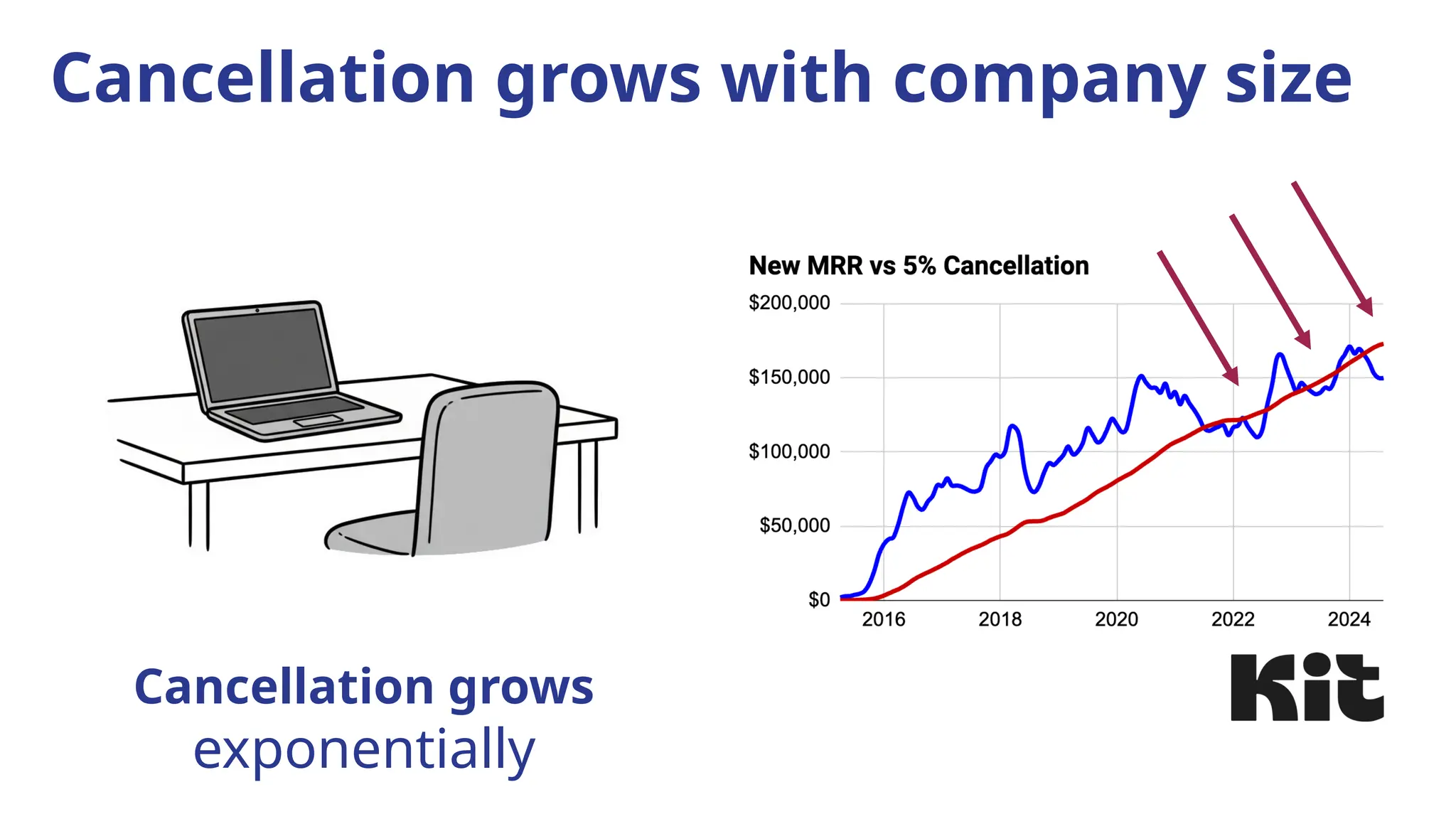
Marketing grows linearly, cancellations grow exponentially.
How you get customers and how you lose them are two completely different shapes.
Marketing is linear. Even when you optimize your channels, you add a roughly steady number of new users each month. Draw it on a graph and it’s a straight line.
Cancellations are exponential. This is the part that sneaks up on you. Churn is a percentage of your total base, so the bigger you get, the bigger that number gets too.
As Jason puts it: “Marketing grows linearly. Cancellations grow exponentially. That’s what a percentage is.”
Say you have 1,000 customers and 5% monthly churn. That’s 50 people gone a month. If marketing brings in 100 new users, you’re still up 50. Feels fine. Feels like you’ve cracked it.
Now triple the business. 3,000 customers. Same marketing engine, still pulling in 100 new users a month. But 5% churn on 3,000 is 150 people. You’re now shrinking by 50 a month, and marketing didn’t change at all. Nobody did anything wrong. The math just caught up.
The Ceiling Has a Number: Max MRR
Jason’s fix for founders flying blind is a metric he calls Max MRR. It’s the revenue ceiling your business hits once cancellations catch up to acquisition.
Max MRR = New MRR per month ÷ Monthly Churn Rate
Bring in £150k in new MRR a month with 5% churn, and your ceiling is £3 million. You can throw every ad dollar you have at it and you’ll still hit that wall.
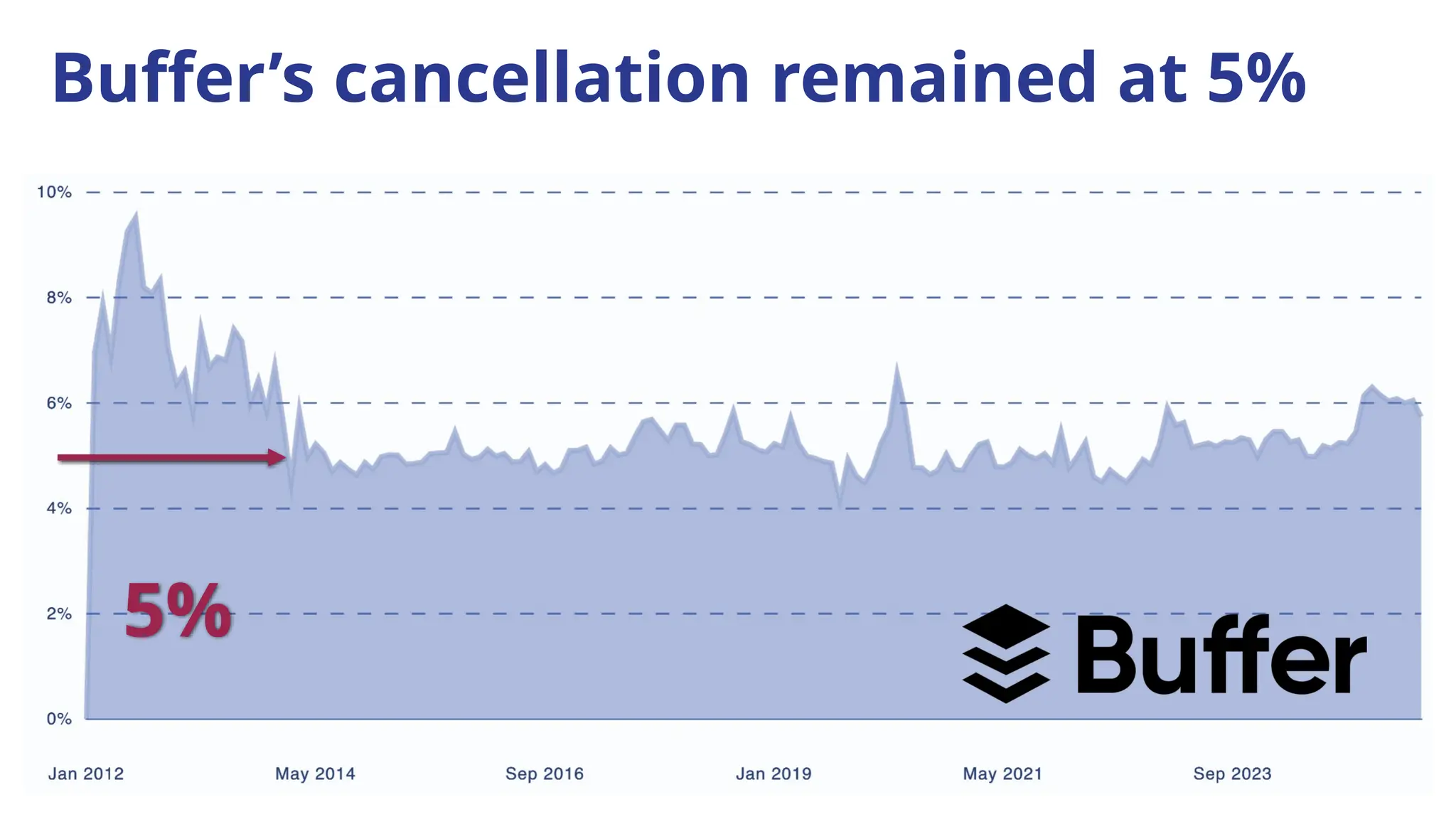
This isn’t theoretical. Buffer lived through a hard 5% churn rate for years. Joel Gascoigne told that whole recovery story at BoS too, and you can see the ceiling sitting right there in their graphs the entire time. ConvertKit went the other way: a decade of work to grind churn down to 3%, which is what let them keep climbing instead of stalling out.
Max MRR moves months before your actual revenue chart shows anything wrong. It’s an early warning, if you’re watching it. I didn’t even know this was a number you could calculate before this talk, and now I keep wondering how many teams find out their ceiling exists only after they’ve already hit it.
Your Cancellation Survey Is Lying to You
When revenue dips, the instinct is to dig into the cancellation survey. Don’t bother. Most of those dropdowns are noise. People click whatever’s first just to get past the popup.
Open ended, casual questions work far better. Groove tested this. They switched the automated email subject line to a plain “quick question,” and got a 10% usable response rate. Then they changed the actual question from “Why did you cancel?” to “What made you cancel?” Same idea, softer framing. Response rate doubled to 20%.
But even good feedback has a trap built in. When someone writes “too expensive,” we panic and reach for the pricing page. Jason’s counter is simple. They already agreed the price was fair the day they entered their card details.
“Too expensive” is usually a translation of something else. A value drop that happened weeks earlier. Confusing onboarding, a feature that didn’t work right, a workflow that felt like friction. It wasn’t price. Value stopped showing up. The fix was never in the pricing page. It was in something that happened quietly, weeks before anyone typed “cancel.”
The real fix is catching people on the happy path, the sequence a healthy, sticking around user actually follows. Someone who falls off that path hasn’t decided to leave yet. They’re just lost. Wait until they hit cancel and you’ve already lost the window. Fix the onboarding instead, and it compounds across every cohort after it, because the steepest drop off is always right at the start.
Three Ways Out
These are the three levers Jason points to for breaking the ceiling instead of hitting it.
- Give and get referrals. Skip the one way cash incentive. Dropbox’s “we both get extra space” reads like a favor between friends, not a commission pitch.
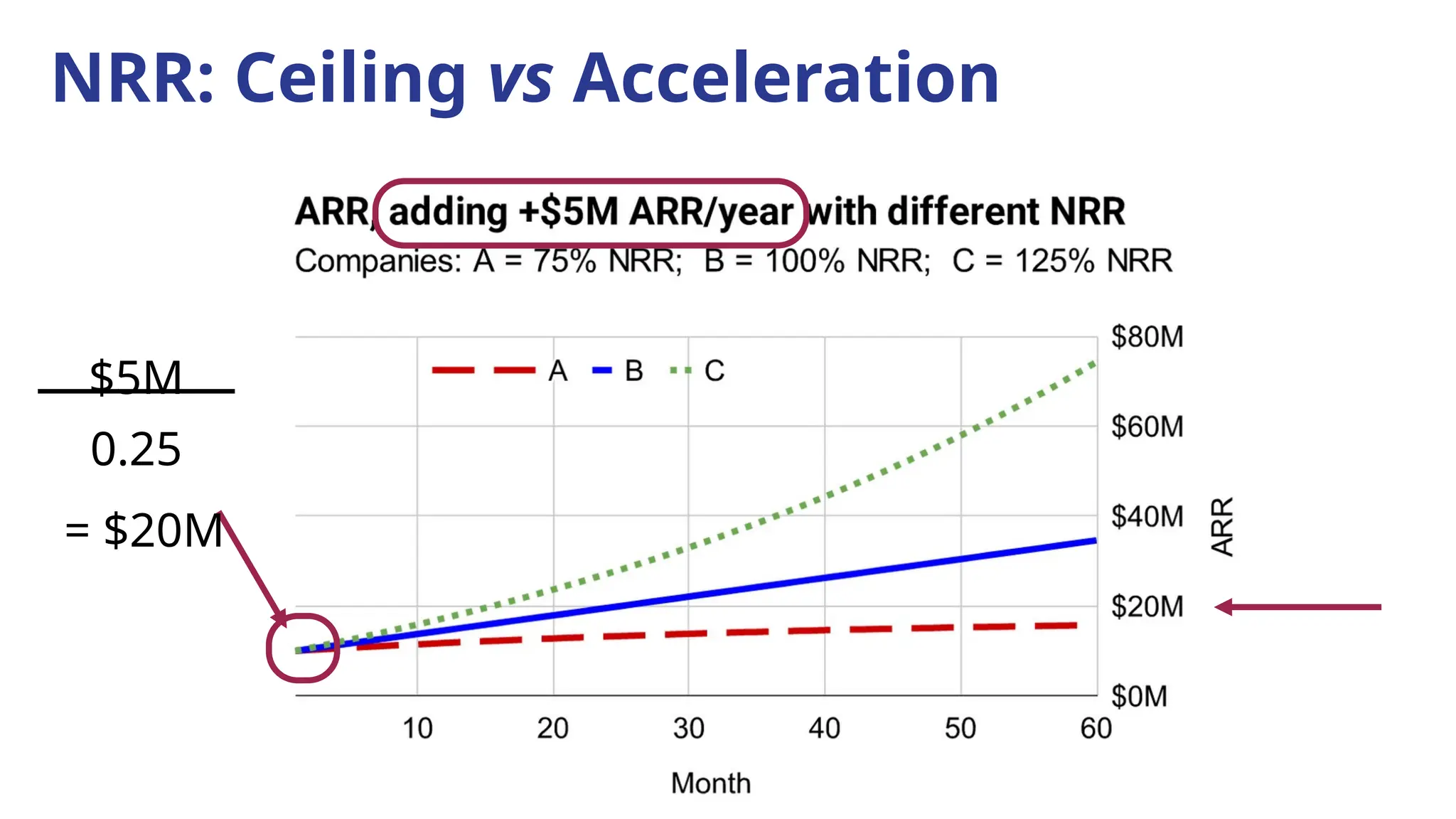
- Net Revenue Retention above 100%. This is the real lever. Above 100% NRR, upgrades from your existing base outpace what churn takes away, and the business starts compounding on its own. Dropbox has been acquiring fewer new customers year over year and still growing revenue, because the existing base carries it.
- Show your receipts. Remind customers what you’re doing for them before the invoice lands. A security dashboard that says “blocked 5,000 attacks for you this month” builds the case for you. So when a price increase shows up later, it feels earned instead of random.
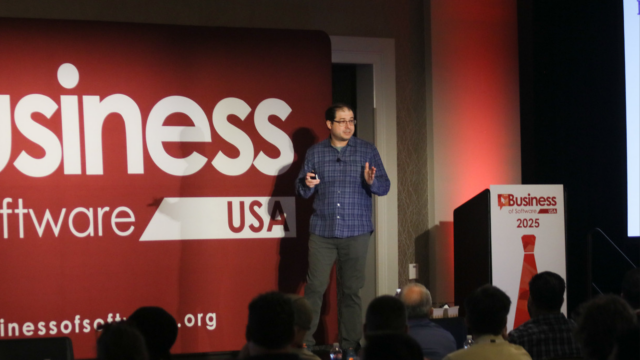
The full talk is on the BoS website. Watch it alongside Joel Gascoigne’s companion talk on Buffer’s recovery to see these ideas actually play out.

Jason Cohen
Jason has built four software startups, both bootstrapped and funded, both alone and with co-founders. All of them grew to more than $1m annual revenue.He sold two, and currently serves as CTO of the fourth, WPEngine, with 380 employees headquartered in Austin, Texas. More recently, he has also been an angel investor and was a founding member of Capital Factory, an Austin incubator and co-working space. He writes about software and startups at ASmartBear.
Learn how great SaaS & software companies are run
We produce exceptional conferences & content that will help you build better products & companies.
Join our friendly list for event updates, ideas & inspiration.